Waking up stiff, feeling your hips tighten after a day at the desk, or noticing that bending to tie your shoes takes a bit more effort than it used to, these everyday niggles add up, and before you know it, moving well starts to feel like hard work.
The good news is that small, regular movements at home may make a big difference, helping you feel looser, steadier, and more comfortable.
In this guide, our team at Glen Eira Physio breaks down how to help improve movement at home, the best types of exercises to try, and simple routines that fit easily into a busy day.
Key Details
- Mobility is the ability to actively move a joint through its available range with control, unlike passive muscle stretching, and it helps ease daily stiffness from sitting.
- A weekly home routine helps balance daily mobility drills with light strength training two days a week and balance exercises three days a week.
- Consistency is far better than intensity, making small five-minute movement habits stacked onto daily cues like boiling the kettle ideal for long-term progress.
- You don’t need a gym membership or special equipment to improve mobility; simple bodyweight exercises paired with a household chair or wall for support are more than enough.
- Seeking professional help or joining a supervised clinical Pilates program like Physiolates is ideal if you are managing persistent pain, recovering from an injury, or need a personalised routine.
What Mobility Means for Everyday Movement
Mobility is your body’s ability to move a joint actively through its available range, with control. It differs from flexibility, which describes how far a muscle may lengthen.
Good mobility supports everyday tasks like reaching, squatting and turning, and it may ease the stiffness that builds up from long periods of sitting.
Movement matters at every age. The Australian Government Department of Health recommends that adults include functional activities targeting mobility, balance and coordination on three or more days each week, alongside regular strength work.
Yet according to the Australian Institute of Health and Welfare, 37% of adults aged 18 to 64 were insufficiently physically active in 2022. Building a little movement into your day at home is a realistic way to help shift that.
The Best Types of Exercise to Do at Home
The best types of exercise to do at home combine gentle mobility drills, light strength work and balance practice. Together with your physiotherapist, they can help you find the best exercises to perform.
Together, these may help your joints move more freely, support the surrounding muscles, and improve steadiness on your feet. You don’t need equipment or much space to get started.
Here is a simple way to structure a week:
| Movement Type | What it Targets | Suggested Frequency |
|---|---|---|
| Mobility drills | Joint range in the hips, spine, shoulders and ankles | Most days |
| Light strength | Muscles that support and stabilise the joints | 2 days a week |
| Balance work | Steadiness and coordination | 3 days a week |
This mix reflects the national activity recommendations and helps keep each session short and manageable.
How to Make Home Movement a Daily Habit
Consistency matters more than intensity when building mobility. The Department of Health notes that doing some activity is better than doing none, so a few minutes each day may be a realistic starting point.
Pairing movement with something you already do often makes it easier to keep going. A few ideas that may help:
- Attach movement to a daily cue, such as while the kettle boils or after brushing your teeth.
- Begin with five minutes and build gradually over a few weeks.
- Keep a mat or the required space visible as a reminder.
- Break up long stretches of sitting with a quick stand and stretch.
“Don’t wait for the ‘perfect time’ to exercise. Finding small pockets of movement throughout your normal daily routine is a great way to help keep your joints healthy for the long run.”
– Jodi Hendler, Senior Physiotherapist
When to Get Support From a Physiotherapist
Home movement suits many people, but persistent pain, a past injury or ongoing stiffness may benefit from a tailored approach.
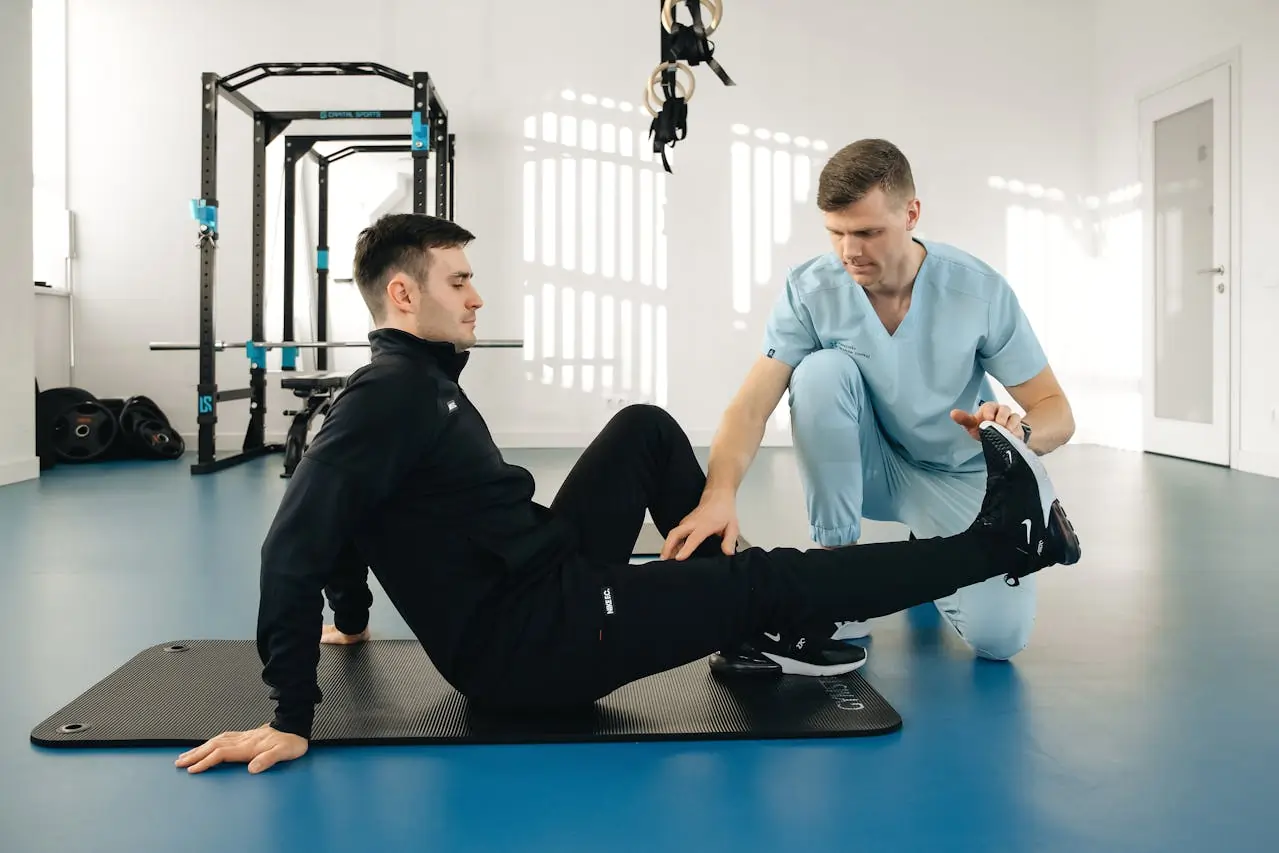
A physiotherapist may assess how you move and guide a program suited to your body and goals. Guided programs like clinical Pilates may add helpful structure and supervision.
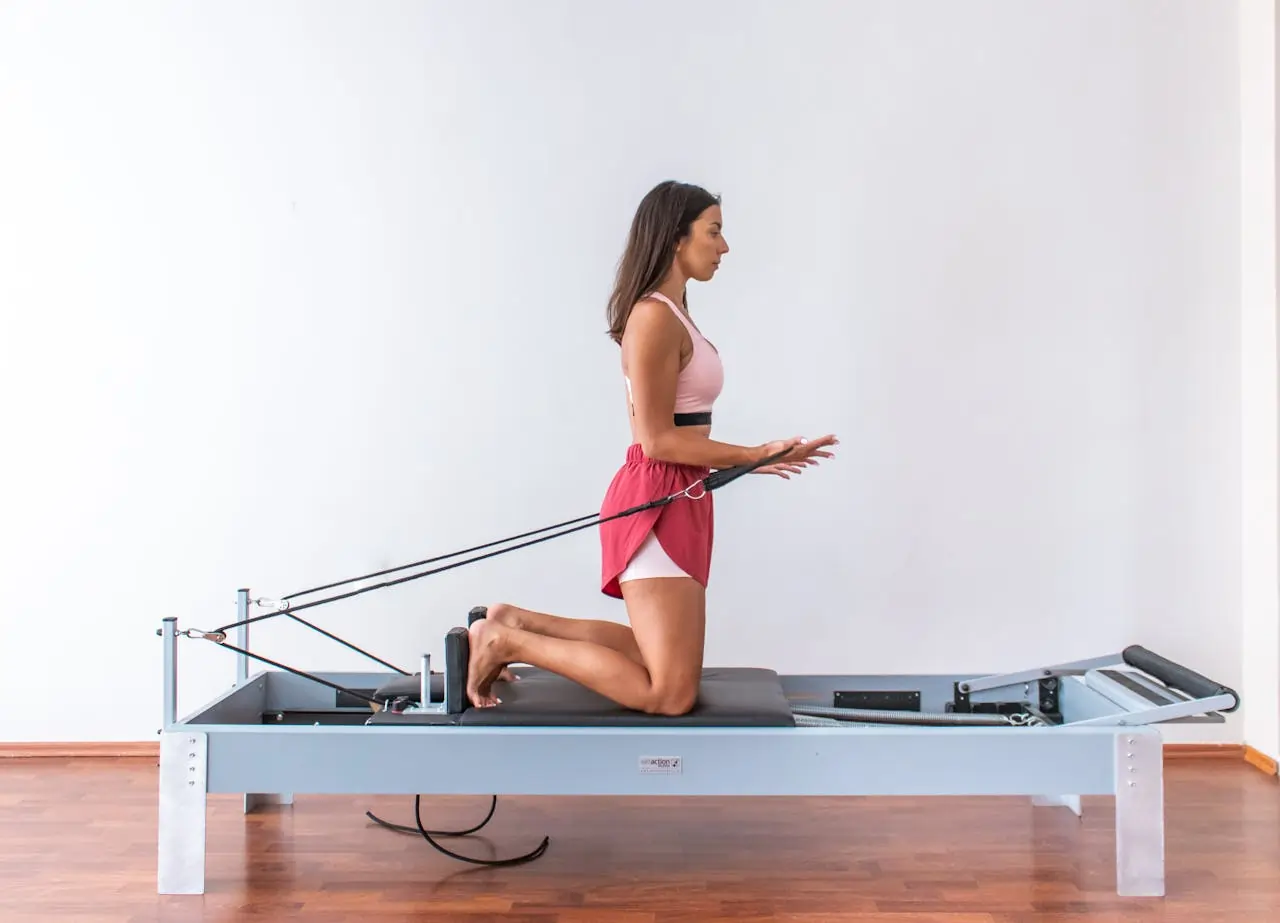
At Glen Eira Physio, our Physiolates clinical Pilates in Carnegie is led by physiotherapists with post-graduate training in clinical Pilates.
Every program begins with a full assessment, followed by a few private sessions, so we build your routine around your needs and any injuries before you move into a group class.
It’s a considered way to progress beyond a home routine with professional guidance.
Common Questions About Mobility
Most days are a reasonable aim for gentle mobility work, with strength and balance added a couple of times a week. Short, regular sessions tend to be easier to keep up than occasional long ones, and even five minutes may make a difference to how you feel.
Stretching mainly lengthens a muscle and is often held still, while mobility work moves a joint actively through its range with control. Mobility work may better reflect how you move during the day, such as reaching, bending, and turning.
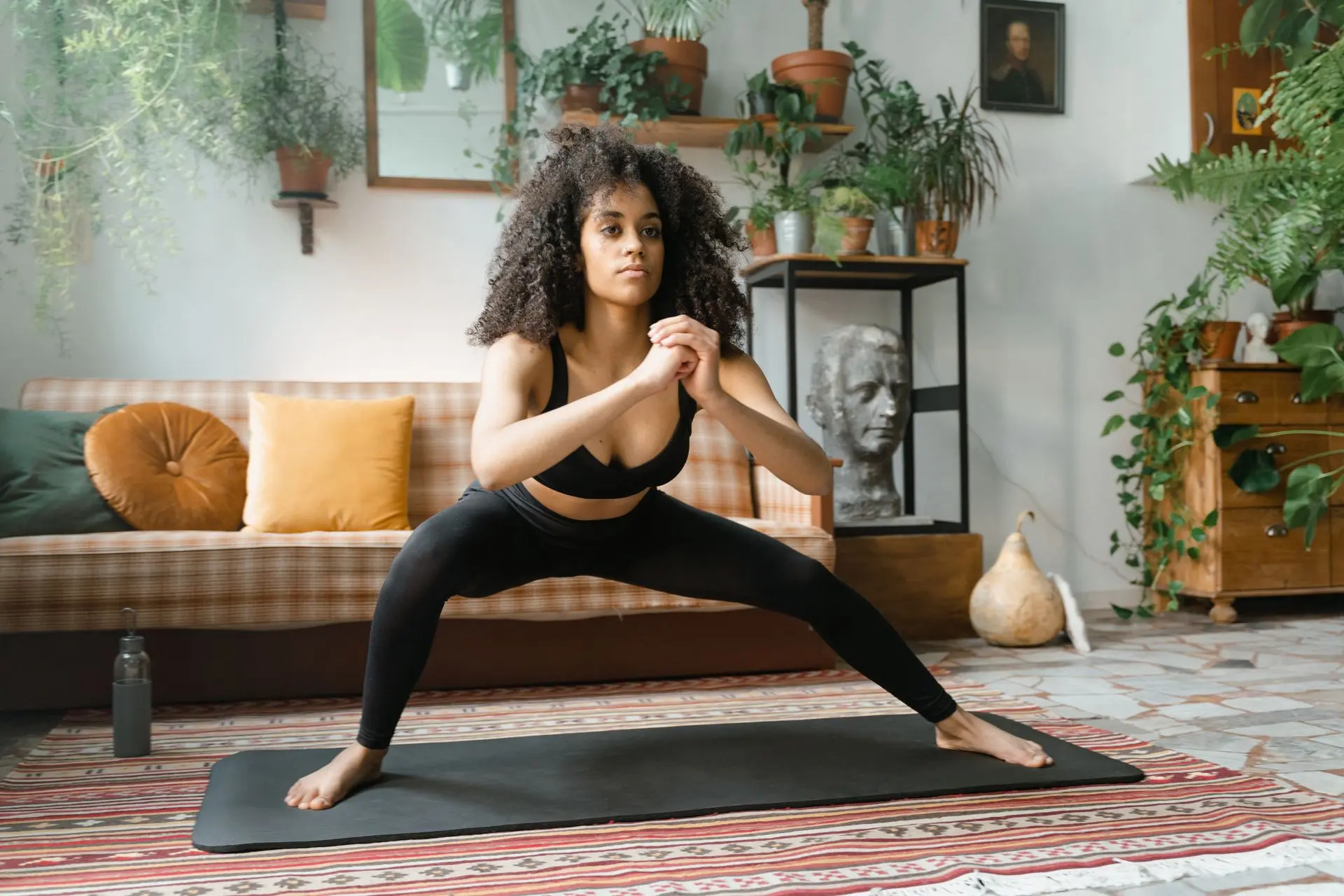
No. Many mobility movements use only your body weight and a small amount of floor space, so you may begin without buying anything. A chair, bench or wall may be useful for balance and support, particularly when you are getting started or working on steadier movements like squats.
Clinical Pilates programs are individualised, so movements are matched to your current level after an assessment rather than following a set class. This may make it a comfortable option for people at different stages, including those easing back into activity or managing an injury.
This varies from person to person depending on your starting point, how consistent you are, and any underlying conditions. Some people notice they feel a little looser within a couple of weeks of regular practice, while broader changes often take longer.
Take Action Towards Easier Movement
Small changes may make a big difference over time. Taking just a few minutes for daily mobility work may help your joints feel looser, and your everyday movements feel much easier.
Lasting progress comes from showing up regularly, not pushing hard, so simply start where you are today.
If stiffness or a nagging injury is keeping you from moving at your best, or you’d like a routine tailored specifically to your body, the team at Glen Eira Physiotherapy in Murrumbeena is here for you.
This content is provided for general information purposes only and is not a substitute for personalised professional advice. Individual needs and conditions vary. Please consult a qualified practitioner to discuss a treatment plan suited to your situation.