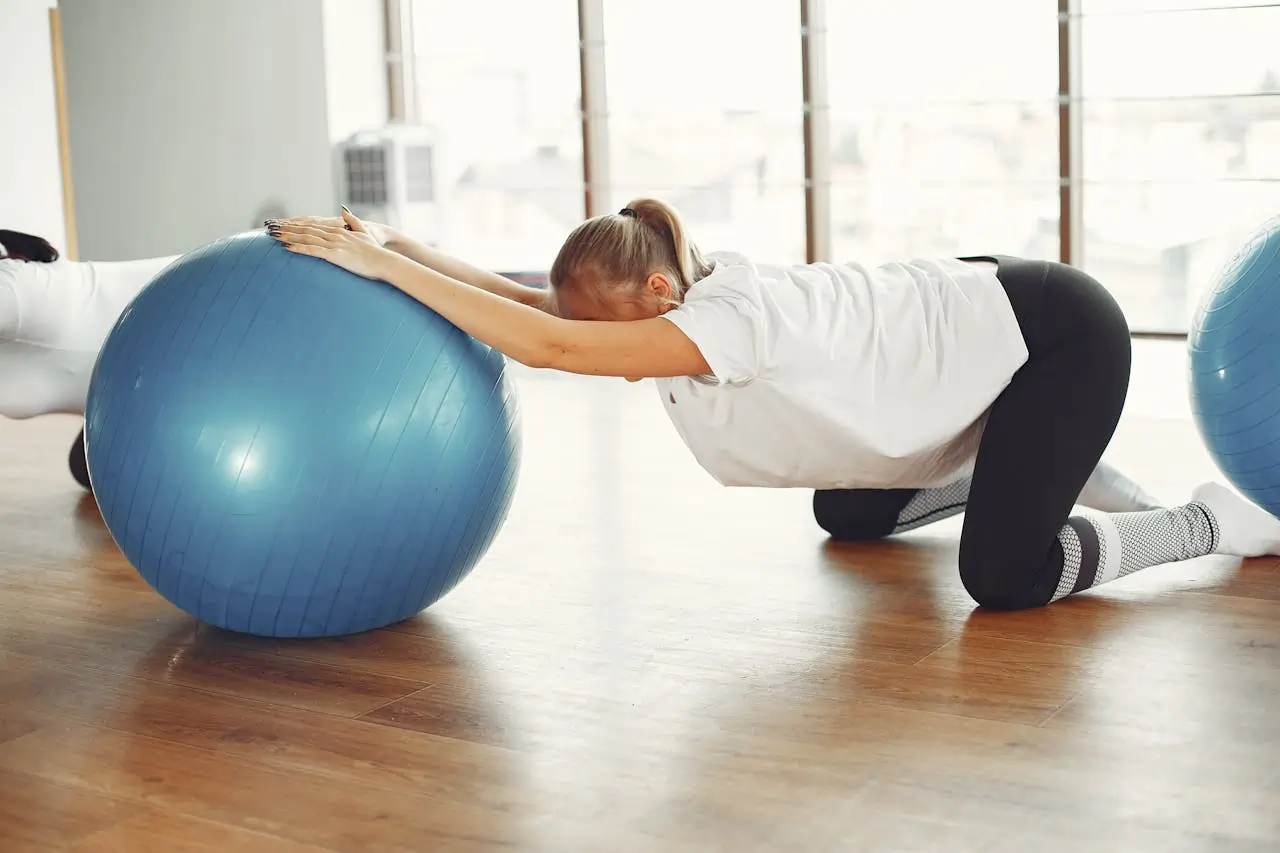
After having a baby, it’s common to expect your body to gradually readjust. Yet everyday movements may still feel surprisingly different.
Getting up from the floor, lifting the pram or even sitting to feed may feel heavier or less supported than before. Many of the mothers we see at Glen Eira Physiotherapy Centre describe feeling unsure about how to return to exercise.
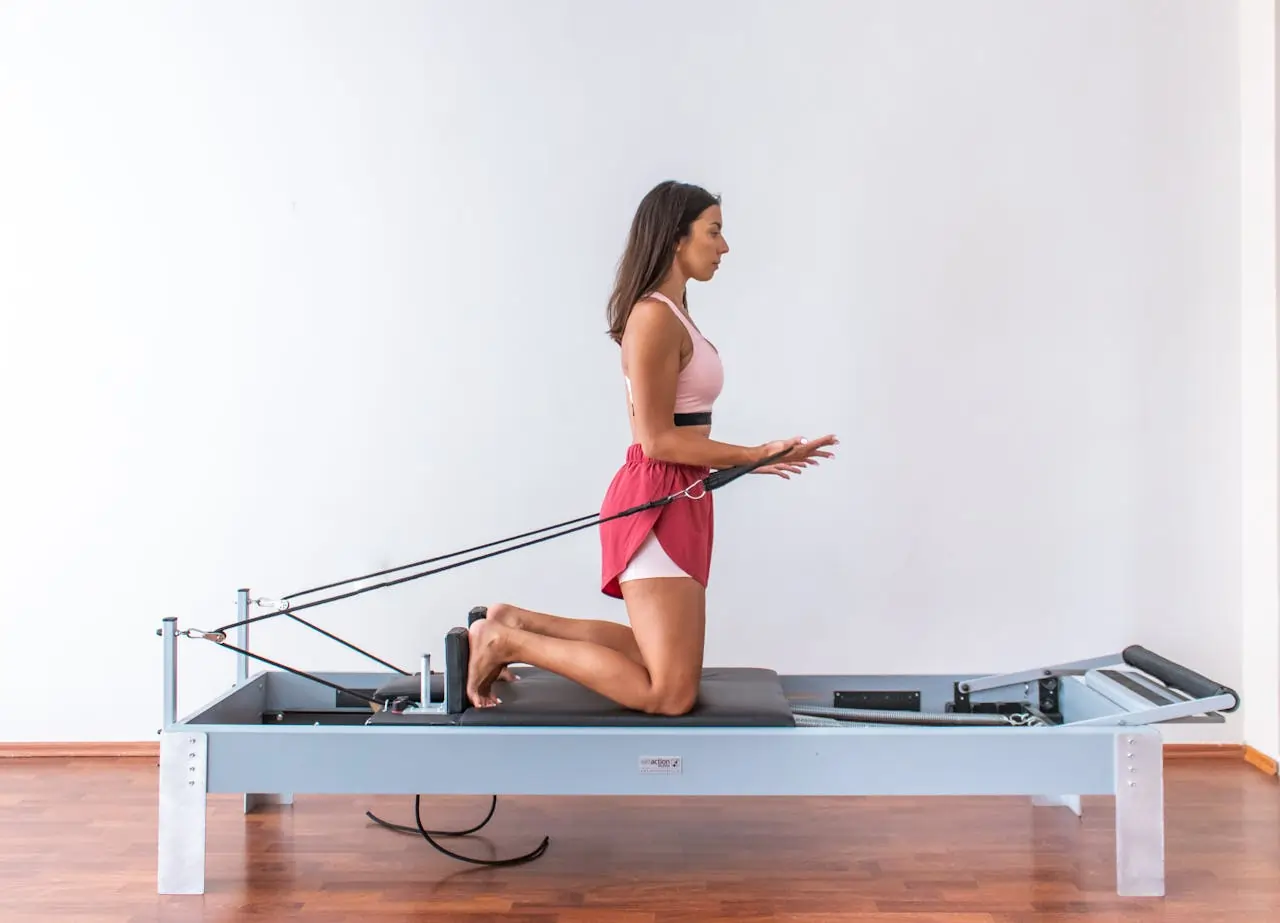
Pregnancy Pilates Carnegie might be worth considering. Rather than focusing on fitness or appearance, post-natal Pilates centres on helping your body relearn support, coordination and confidence as you recover.
In this article, we’ll explore what post-natal Pilates is and how it may support your recovery.
If you’re considering post-natal Pilates classes, our team at Glen Eira Physio offers physiotherapist-guided sessions designed to support a progressive return to movement.
Life After Pregnancy
After birth, many women feel weaker or less stable, but this is usually part of normal adjustment rather than a true loss of strength.
During pregnancy, the abdominal wall stretches, posture shifts forward, and the pelvic floor carries an increasing load. These changes don’t immediately reverse, so the body gradually relearns how to manage pressure and movement in everyday tasks like feeding and lifting.
You may notice:
- A sense of looseness in the abdomen
- Uncertainty engaging the core
- Back, neck or shoulder discomfort
- Hesitation returning to exercise
Around one in three women experience bladder leakage after childbirth, and abdominal separation is common in the early weeks post-partum, often improving over time. This is recovery in progress; the muscles are working, but not yet working together efficiently.
What is Post-Natal Pilates?
Post-natal Pilates is a guided exercise approach aimed at improving the body’s function after pregnancy, rather than simply improving fitness.
After birth, the diaphragm, abdominal wall and pelvic floor may not yet coordinate efficiently. This can contribute to symptoms such as heaviness, leakage or back discomfort. The focus of post-natal Pilates is to gently retrain these systems before progressing to strengthening work.
Exercises are low load and progressive, helping the body relearn movement patterns first.
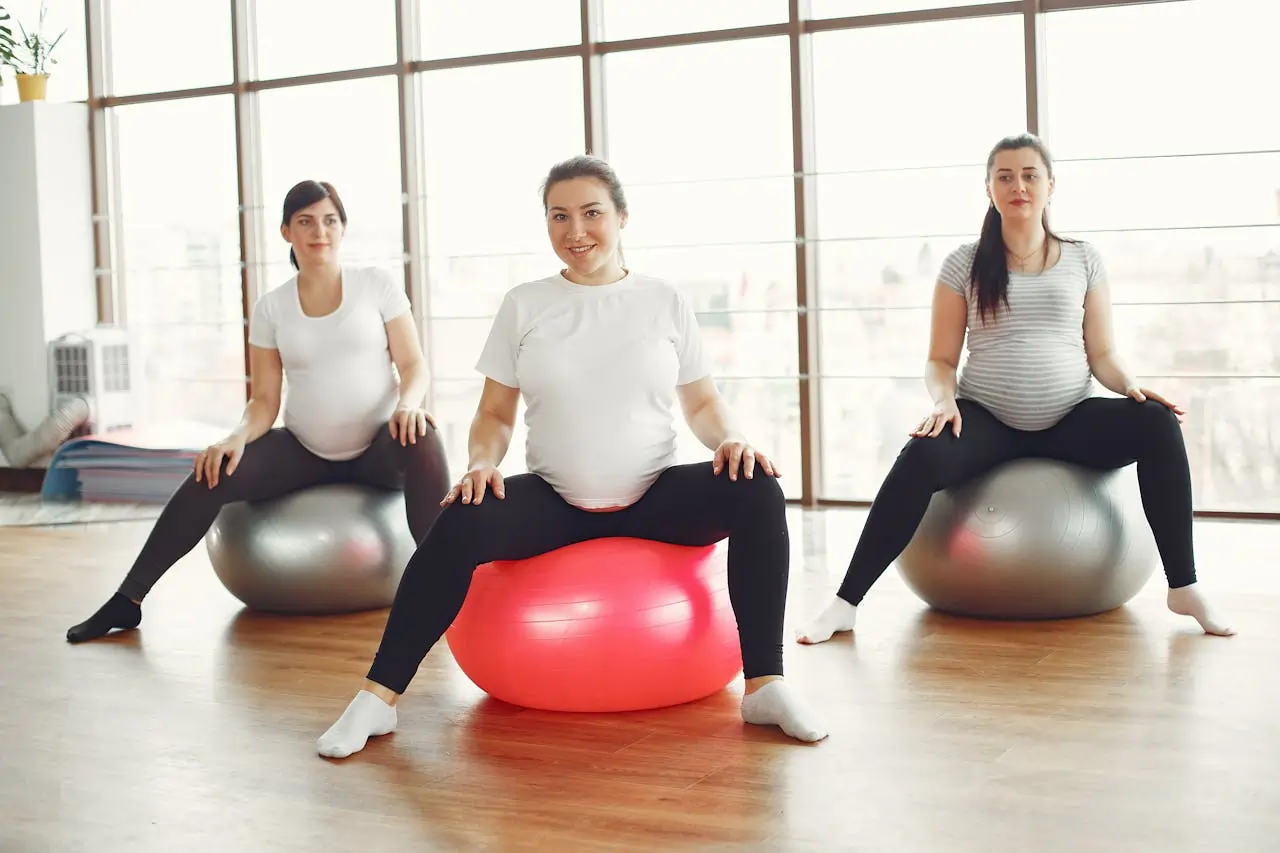
The Potential Benefits of Post-Natal Pilates
Reconnecting With Your Core After Birth
Post-natal Pilates is about improving coordination through the core system. The diaphragm, deep abdominals and pelvic floor normally work together to support the spine.
After pregnancy, their timing may change, which may contribute to reduced support or discomfort with movement. Post-natal Pilates aims to gently retrain breathing and muscle activation to better share loads.
Supporting Pelvic Floor Recovery
Post-natal Pilates may assist pelvic floor recovery by encouraging gentle activation and coordination with breathing. Retraining aims to improve the pelvic floor’s response during everyday movements, such as lifting or coughing.
Posture and Strain
Post-natal Pilates may also help address postural changes that develop while feeding and carrying a baby. Prolonged forward positions may contribute to neck, shoulder and back discomfort, which is commonly reported after childbirth.
Gentle strengthening and movement retraining aim to improve how load is distributed through the spine during daily tasks.
Abdominal Separation
Post-natal Pilates may support recovery of abdominal separation (diastasis recti) by improving tension and coordination across the abdominal wall rather than forcing it closed.
Abdominal separation is present in about 60% of women at six weeks post-partum and often improves over time, particularly with appropriate exercise.
Confidence in Movement
Many women feel uncertain returning to exercise after pregnancy, especially if symptoms such as heaviness, weakness or discomfort are present.
A structured exercise approach may help rebuild confidence by allowing movement to progress according to symptoms and tolerance.
When Should I Start Post-Natal Pilates?
The timing for starting post-natal Pilates varies between individuals. Rather than a fixed timeline, return to exercise is usually guided by symptoms, recovery, and medical advice.
Gentle activity may begin early if comfortable, with gradual progression over the following weeks.
A caesarean birth, perineal trauma or ongoing pelvic floor symptoms may change how quickly exercises are introduced, so programs are typically adapted to the stage of recovery.
What a Physio-Led Post-Natal Pilates Program may Include
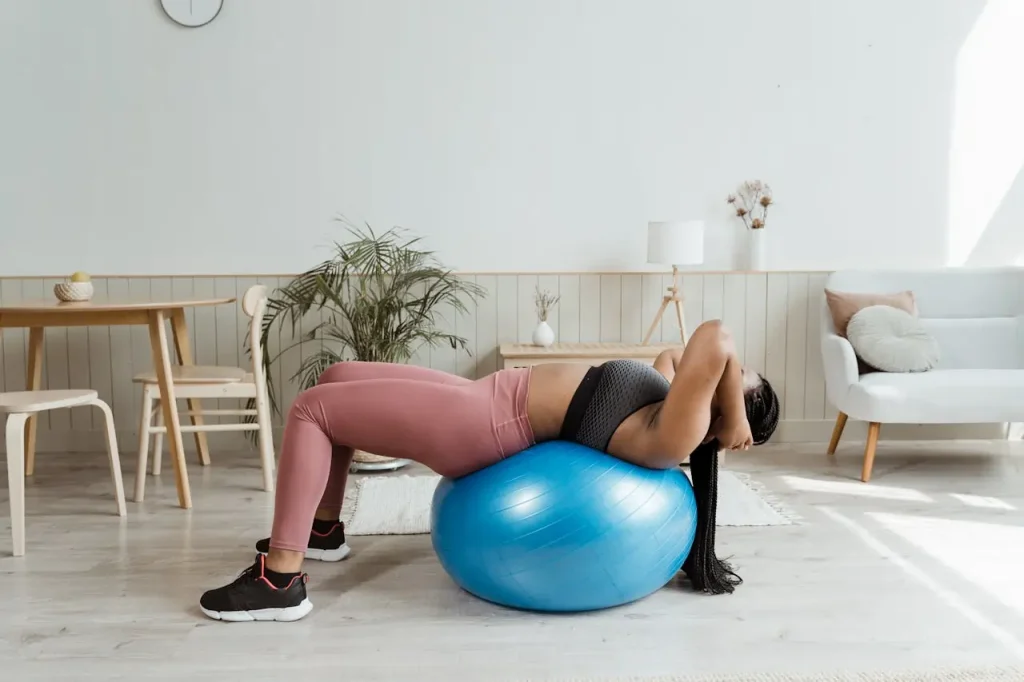
A physiotherapy-guided post-natal Pilates program is tailored to your recovery stage, birth history and current symptoms, progressing over time rather than starting with high-load exercise. They usually include:
- Breathing Retraining: This helps coordinate the diaphragm and pelvic floor so pressure is managed more comfortably during movements like lifting or coughing.
- Deep Abdominal Activation: These are gentle exercises aimed at reconnecting the deeper support muscles instead of tightening or bracing the stomach.
- Mobility Work: Low-load movements for the spine and hips to address stiffness commonly related to feeding, holding and carrying a baby.
- Strength Progression: Gradual loading of the glutes and trunk to help build tolerance for daily activities such as walking, standing and carrying.
Find Post-Natal Pilates Classes at Glen Eira Physiotherapy Centre
Recovery after pregnancy often involves more than simply waiting for symptoms to settle. Many changes relate to coordination, load tolerance, and confidence in movement, which may improve with a guided approach.
Post-natal Pilates provides a structured way to start rebuilding support, reintroduce activity and adapt exercises to your stage of recovery and comfort levels.
If you would like individual guidance, our team offers pregnancy and post-natal Pilates classes tailored to your stage of recovery. To discuss whether this approach is suitable for you, reach out to our team today.