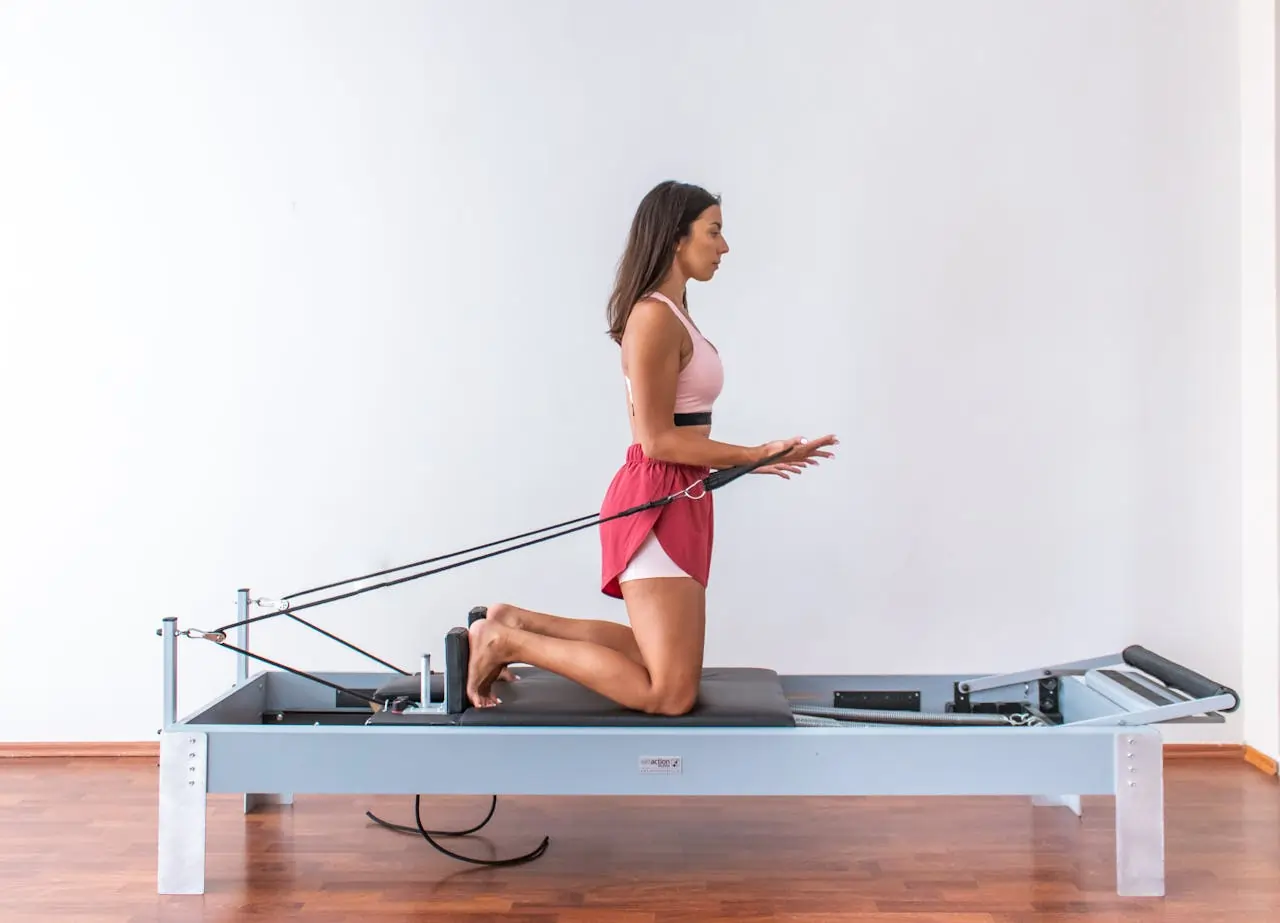
If you’re new to Pilates (or even if you’ve been practising for a while), you may have wondered which format is right for you. Should you try reformer classes? Stick to mat work? Or explore sessions using small apparatus?
At Physiolates, we understand that everybody is different. Whether you’re managing an injury, building strength, or simply looking to move better, the right Pilates format can make all the difference.
Let’s break down the key differences and help you find what feels right for your body.
For more information about our clinical Pilates classes, fees, and timetables, please contact the team at Glen Eira Physio today.
Understanding the Foundations of Pilates
Before comparing formats, it’s important to remember that all Pilates styles share the same core principles: controlled movement, breath, alignment, and core engagement.
This means whether you’re on a mat, reformer, or using equipment, you’re still building strength, improving flexibility, and enhancing body awareness.
The difference lies in how these outcomes are achieved.
Mat Pilates: Building Strong Foundations
Mat Pilates is often considered a starting point, and for good reason.
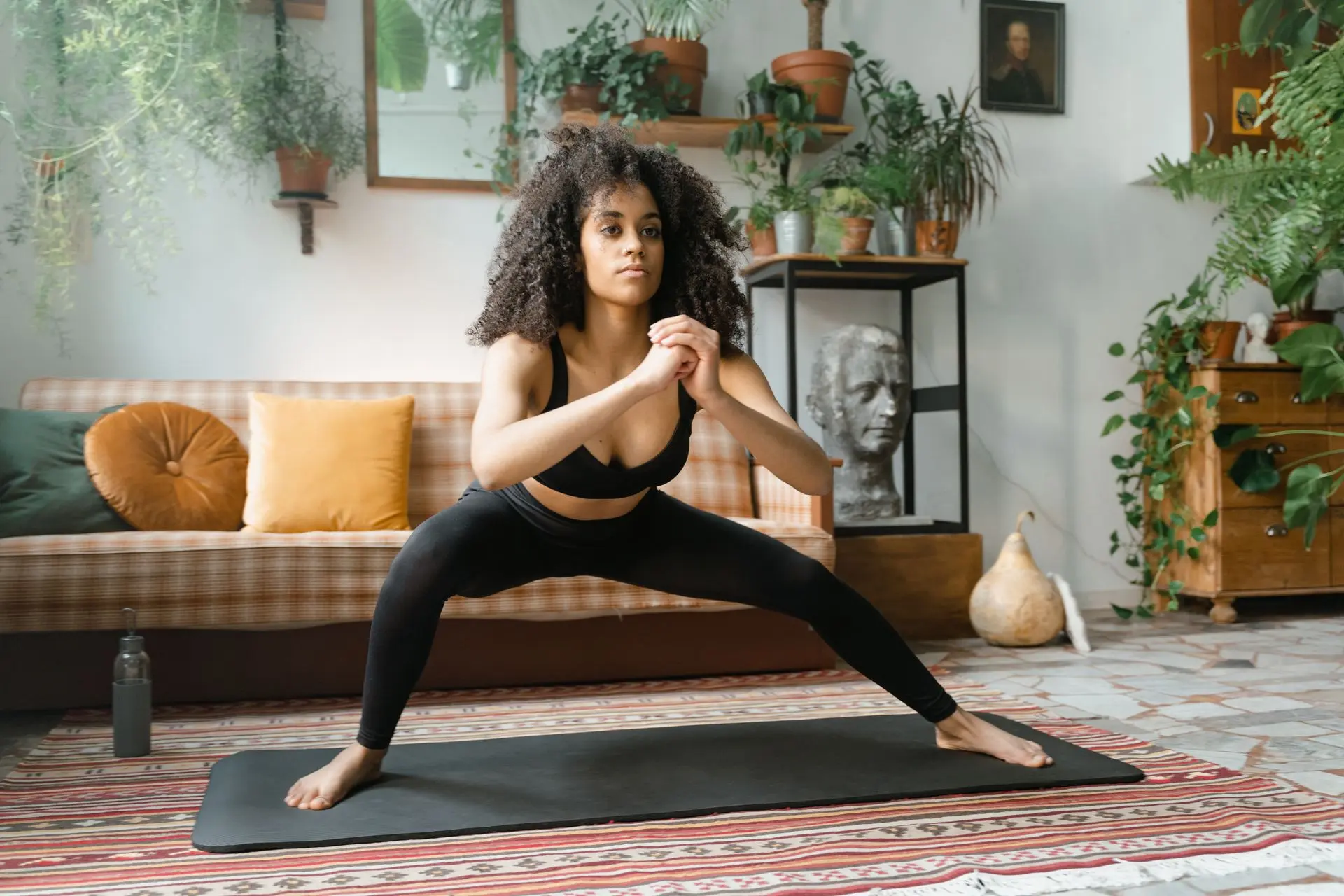
Performed on the floor using your body weight, mat work focuses on developing deep core strength, control, and stability. It requires minimal equipment and is highly accessible, making it a great option for beginners or those wanting to practise at home.
Why choose mat Pilates?
- It builds strong foundational strength
- It improves posture and body awareness
- It’s accessible and cost-effective
- It can be easily modified to suit different levels
Because you don’t have the assistance of equipment, mat Pilates can actually feel quite challenging. It relies on precise muscle engagement and control, something that’s especially valuable in a clinical pilates setting (where correct technique is key to rehabilitation and long-term results).
For many clients in Carnegie and Murrumbeena, mat Pilates is an excellent way to reconnect with their body and establish movement confidence.
Reformer Pilates: Support and Resistance Combined
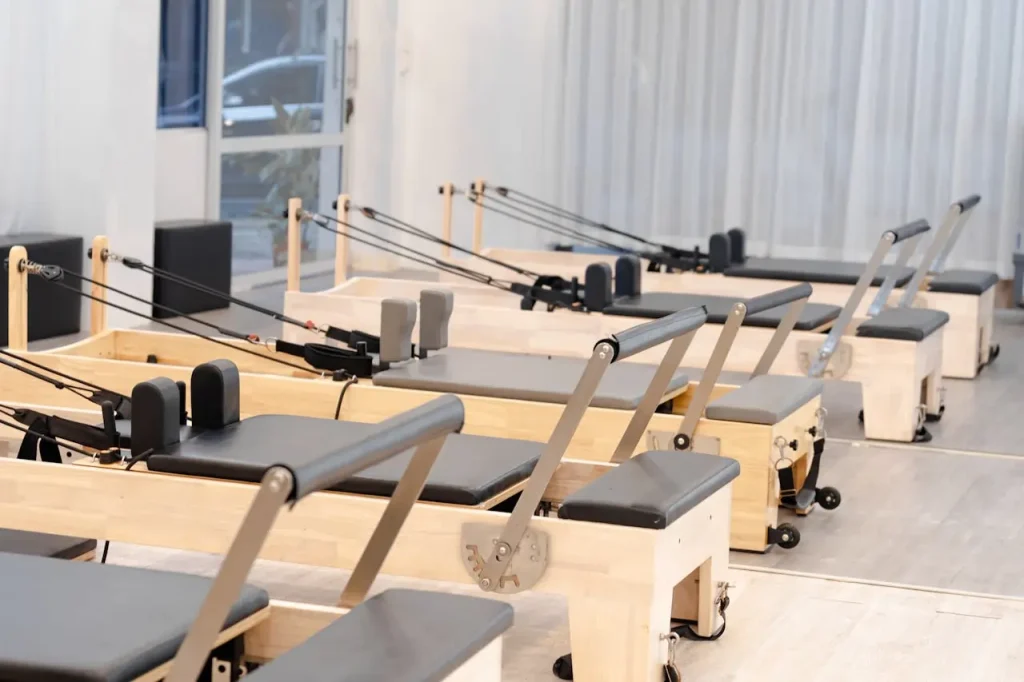
Reformer Pilates uses a specialised machine with springs, straps, and a moving carriage to add resistance and support to each movement.
This added resistance allows for a wider range of exercises and the ability to adjust intensity, making it suitable for both beginners and more advanced clients.
Why choose reformer Pilates?
- It offers adjustable resistance for progression or support
- There’s a greater variety of exercises
- It can reduce the load on joints during movement
- It’s ideal for rehabilitation and strength building
One of the biggest advantages of reformer Pilates is its adaptability. The machine can either increase challenge or provide assistance, depending on your needs. This makes it particularly helpful for those recovering from injury or managing pain, as movements can be carefully controlled and supported.
At a Glen Eira physio clinic like Physiolates, reformer sessions are often used to guide clients safely through rehabilitation while still building strength and confidence.
Small Apparatus Pilates: The Best of Both Worlds
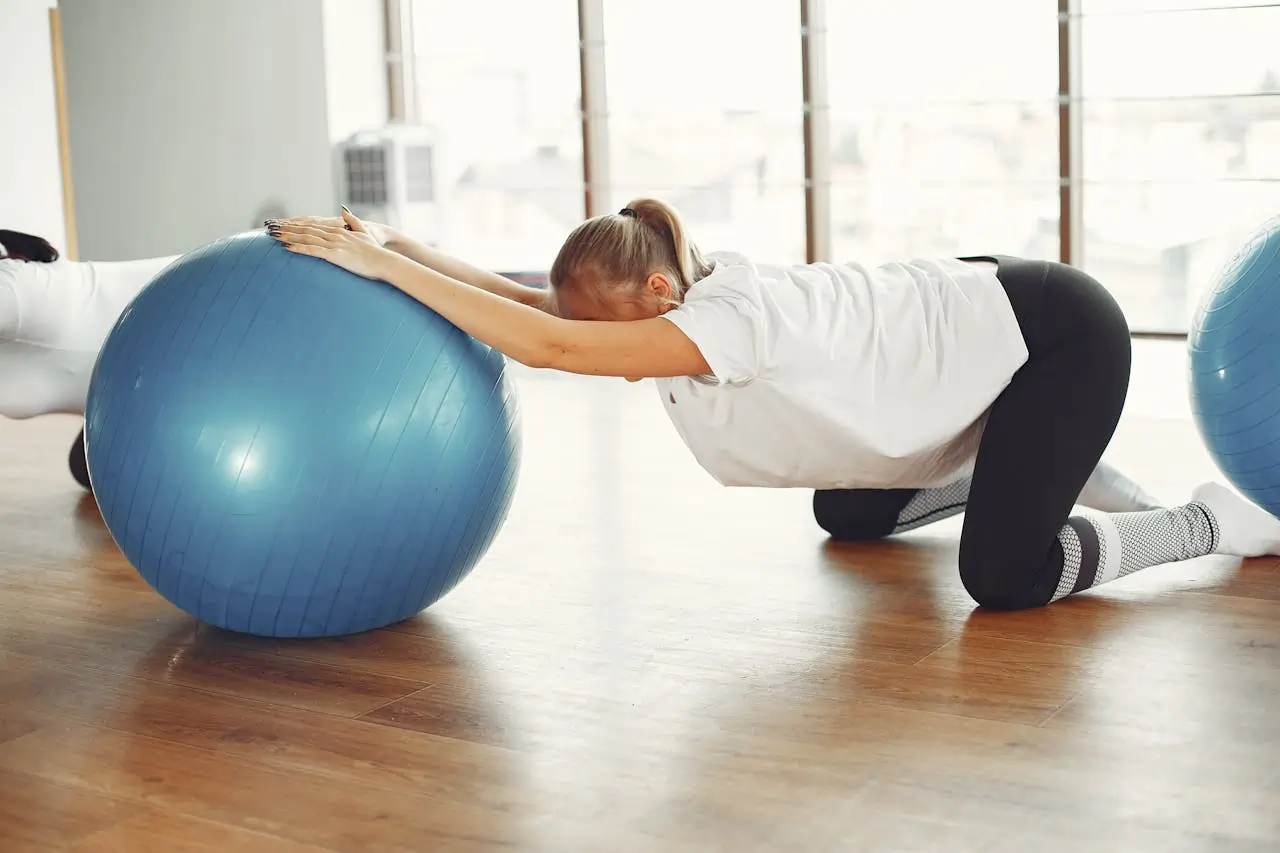
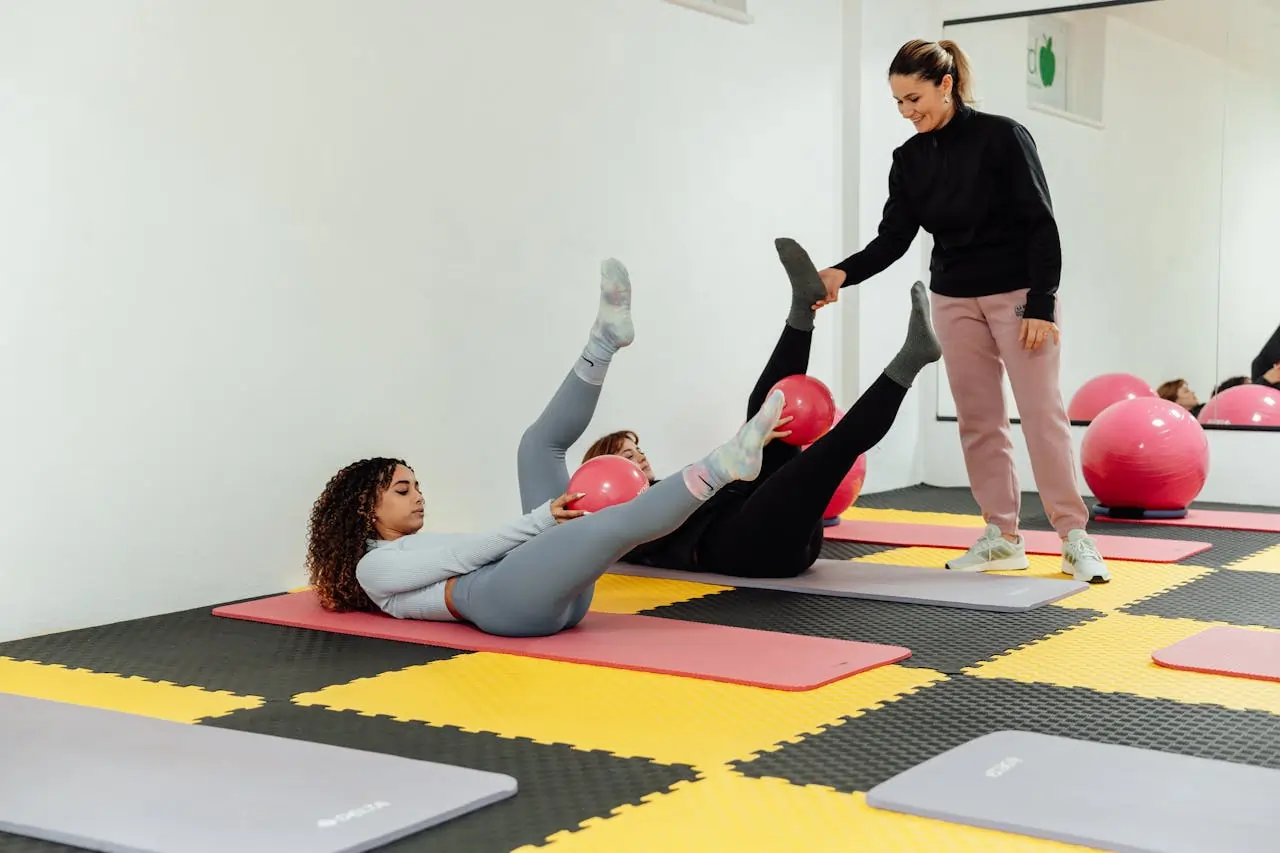
Small apparatus Pilates sits somewhere between mat and reformer work. It incorporates tools such as resistance bands, Pilates balls, rings, and light weights to add variety and challenge to mat-based exercises.
Why choose small apparatus?
- It adds resistance without large equipment
- It enhances coordination and muscle activation
- It introduces variety to keep sessions engaging
- It bridges the gap between mat and reformer
These tools can help target specific muscle groups, improve balance, and provide feedback to refine technique. For clients progressing from injury rehab or looking to advance their practice, small apparatus offers a flexible and effective option.
Which Pilates Format is Right for You?
The truth is that there’s no single “best” option. The right choice depends on your goals, experience, and any injuries or conditions you may be managing.
Here’s a simple way to think about it:
- New to Pilates? Start with mat or guided reformer sessions to learn the fundamentals.
- Recovering from injury or managing pain? Reformer or supervised clinical Pilates offers support and tailored progression.
- Looking to build strength and challenge yourself? A combination of all three formats can deliver the best results.
- Want flexibility and variety? Small apparatus sessions add diversity while maintaining control and precision.
Research shows that both mat and reformer Pilates improve strength, flexibility, posture, and overall wellbeing, with the main difference being the level of resistance and support provided.
Why a Guided Approach Matters
No matter which format you choose, one of the most important factors is how you practise.
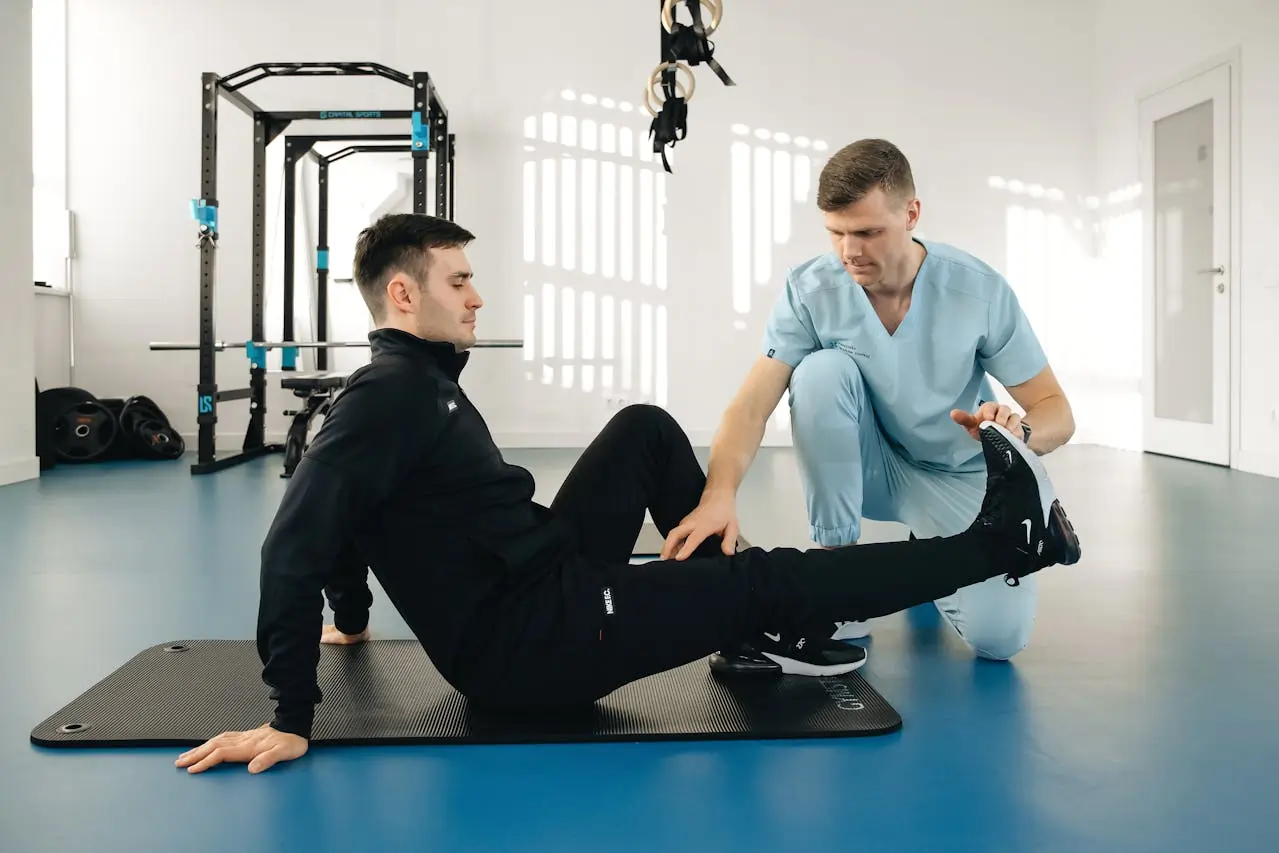
Working with a qualified physiotherapist or Pilates instructor ensures that:
- Exercises are tailored to your body
- Technique is correct and safe
- Progression is appropriate and sustainable
This is especially important if you’re dealing with pain, recovering from surgery, or managing a chronic condition.
At Physiolates, our approach combines physiotherapy knowledge with Pilates principles to deliver personalised care, helping you move better, feel stronger, and stay active long-term.
Finding the Right Fit for Your Body
Mat, reformer, and small apparatus Pilates each offer unique benefits, but they’re not competing options. Instead, they complement one another.
Mat builds your foundation. Reformer adds support and progression. Small apparatus enhances control and variety.
The best results often come from a combination of all three, particularly when guided by professionals who understand your body and your goals.
If you’re unsure where to start, our team in Carnegie and Murrumbeena is here to help you find the right fit and support you every step of the way.