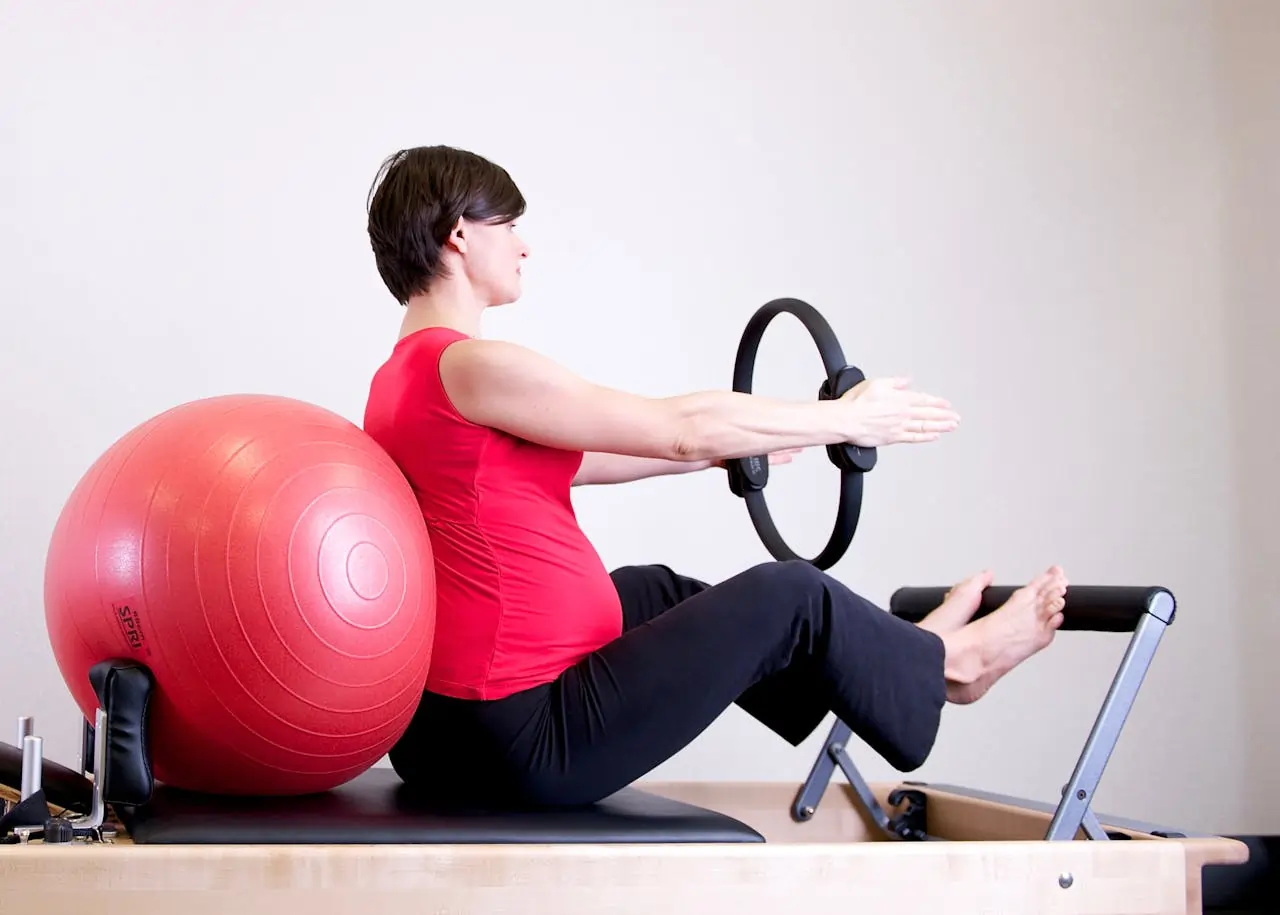
Thinking about pregnancy often brings a mix of excitement and practical planning. Alongside nutrition and medical care, many people start wondering how movement might fit into this stage of life.
Preparing your body before pregnancy is not about pushing harder or chasing performance goals, but about building strength and awareness in how your body moves.
For many, clinical pilates may offer a structured, supportive way to do this under the guidance of a qualified physiotherapist. Ultimately, pre-pregnancy exercise should be centred on understanding your body and your goals, while supporting physical readiness for the changes ahead.
For personalised advice, contact our team at Glen Eira Physio today.
Why Movement Before Pregnancy Matters
Pregnancy places increased demands on posture, pelvic stability, breathing patterns, and overall strength. Starting a tailored exercise program beforehand may assist with:
- Improving core and pelvic floor awareness
- Supporting posture and spinal mobility
- Building strength through the hips, glutes, and upper body
- Developing breathing control
- Preparing joints and muscles for changing loads
The Australian Physiotherapy Association highlights that regular, appropriate physical activity during the childbearing years plays a role in general health and physical capacity.
Beginning before pregnancy offers time to learn technique and develop habits that often carry through into antenatal care.
What is Clinical Pilates?
Clinical pilates is a physiotherapist-led approach to movement that focuses on controlled exercises tailored to individual needs.
Unlike general Pilates classes, sessions are guided by clinical assessment and may be adapted for injury history, posture, mobility, and pelvic health.
Programs typically emphasise:
- Deep abdominal and pelvic floor coordination
- Controlled strengthening
- Functional movement patterns
- Balance and alignment
- Breathing mechanics
For people preparing for pregnancy, this approach allows exercises to be selected and progressed based on how your body responds, rather than following a generic routine.

Areas Often Addressed in Pre-pregnancy Clinical Pilates
Every body is different, though pre-pregnancy programs commonly include:
Pelvic floor and deep core connection
Learning how to engage and relax the pelvic floor forms an important foundation. Awareness of these muscles may support continence, posture, and load management as pregnancy progresses.
Hip and glute strength
Strong hips and glutes contribute to pelvic stability and may assist with managing changes in movement patterns as body weight distribution shifts.
Upper back and shoulder support
Postural muscles around the upper spine often receive attention, particularly for those who spend long hours sitting or working at desks.
Breathing and rib mobility
Breathing exercises form part of Clinical pilates sessions, supporting coordination between the diaphragm, core, and pelvic floor.
Movement control
Controlled, low-impact movements encourage joint awareness and help identify areas of restriction or imbalance early.
Exercise Guidance from Local Healthcare Professionals
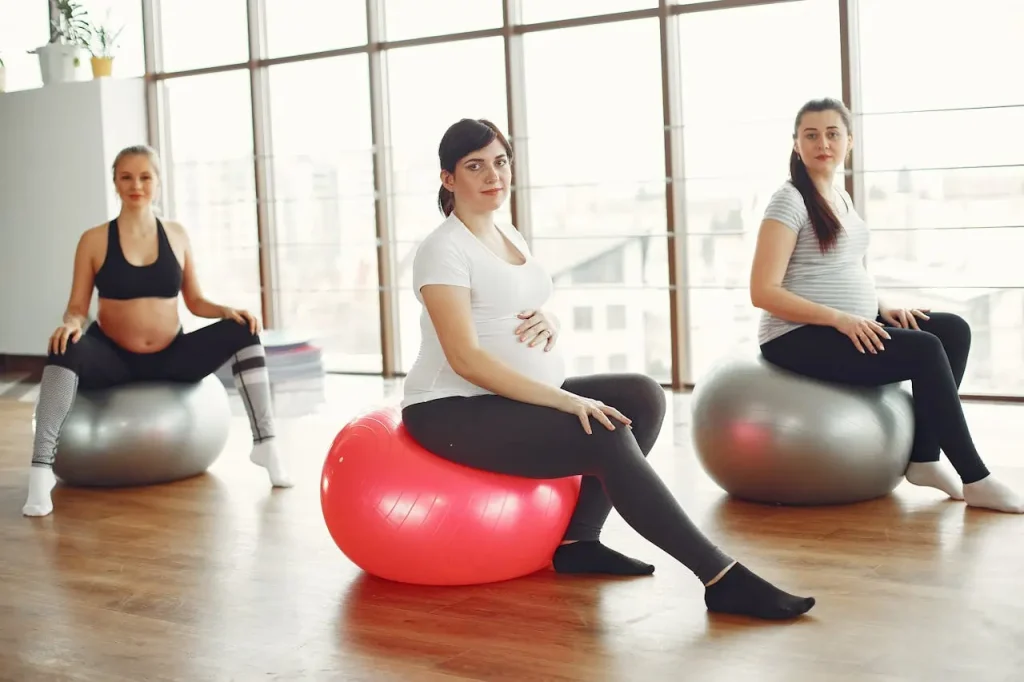
Australian health authorities support appropriate physical activity before and during pregnancy for most people, with individual considerations applying in each case.
According to Healthdirect Australia, regular and moderate exercise during pregnancy may assist with maintaining strength and mobility, provided there are no medical restrictions.
They also advise seeking professional guidance when starting or changing an exercise routine, particularly when preparing for pregnancy, which is why working with a physiotherapist who understands both musculoskeletal health and pregnancy is important.
When Extra Care is Needed
Clinical pilates programs are always adapted around your medical history. Exercise may need modification or a temporary pause if you experience:
- Significant pelvic pain
- Dizziness or unexplained fatigue
- Vaginal bleeding
- Existing medical conditions that affect exercise tolerance
Your physiotherapist may also recommend GP or obstetric input where appropriate. At the end of the day, pre-pregnancy exercise should feel supportive, not demanding or overwhelming.
How Clinical Pilates Differs From General Fitness
Many people explore this type of pilates after trying gym classes or online workouts that did not feel quite right.
Clinical programs may offer:
- Individual assessment before starting
- Exercises selected for your body, not a template
- Ongoing review and adjustment
- Guidance from registered physiotherapists
- Integration with injury management where needed
This approach aims to build a foundation that supports pregnancy preparation while respecting current physical limits.
Taking the Next Step
If you are thinking about pregnancy in the near or distant future, starting a conversation about movement is a great first step.
A physiotherapy assessment creates the space to discuss your history, current activity levels, and any concerns. From there, a clinical pilates program may be developed to support strength and mobility at a pace that suits you.
As a pregnancy physiotherapist in Carnegie, our care focuses on listening first, then guiding you through exercises designed around your individual needs.
Whether you are early in planning or simply wanting to move with more confidence, support is available to help you feel prepared and informed.