Whether you’ve just caught the running bug or you’re chasing a longer personal best, the desire to go further is something almost every runner understands.
But building your distance too fast is one of the most common reasons people end up sidelined with a running-related injury. The good news? With a thoughtful approach, such as sports injury treatment, it’s entirely possible to improve your running distance in a way that keeps your body strong and resilient along the way.
If you’re in the Carnegie or Murrumbeena area and looking for support tailored to your stage of recovery, at Glen Eira Physio, our team takes a knowledgeable, supportive approach to helping runners at every stage.

Why Gradual Progression Matters
Running places a significant repetitive load on your muscles, tendons, joints, and bones. When distance increases too quickly, the body doesn’t have enough time to adapt, and tissues become vulnerable to overuse injuries such as shin splints, stress fractures, knee pain, and Achilles tendinopathy.
Injury risk increases significantly when the distance of a single run exceeded 10% of the longest run completed in the previous 30 days.
Interestingly, the same research also found that the biggest jumps in distance carried the highest risk, with increases of more than 100% linked to exponentially greater injury rates.
What this means for you is simple: slower, steadier progress is typically your best strategy, and paying attention to your single longest run, not just your weekly total, matters greatly.
Improve Strength for Running Before You Add Distance
One of the most overlooked aspects of safely building running distance is strength. Many runners focus almost exclusively on their kilometres and neglect the foundation that makes those kilometres possible.
To work on your running strength, focus on the muscle groups that do the most work with every stride: the glutes, hamstrings, calves, and core.
A strong gluteal complex may help keep the pelvis level, extend the hip with each stride, and reduce the strain on the knees, IT band, and Achilles tendon. When these muscles are underprepared, the kinetic chain becomes disrupted, and injury risk climbs.
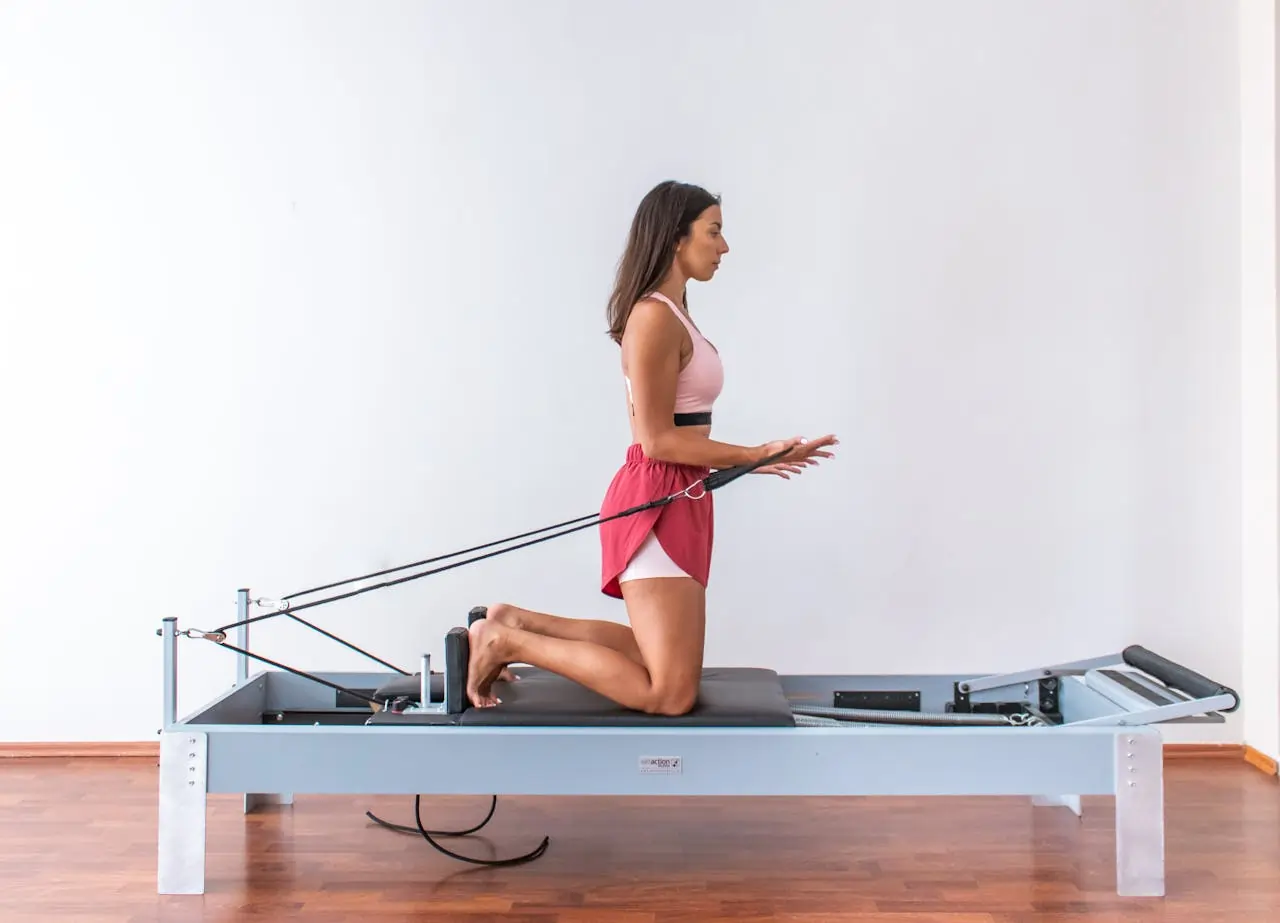
Incorporating two strength sessions per week alongside your running, rather than instead of it, may give the body time to adapt without overloading any single system.
Running Exercises to Support Distance Goals
When you think about improving your running distance and which running exercises to include in your routine, aim for movements that mirror the demands of running itself: single-leg stability, hip control, and lower limb endurance.
Some well-supported options include:
- Single-leg glute bridge: Builds hip stability and helps control pelvic drop during each stride, which is a common contributor to knee and hip pain in runners.
- Calf raises (both bent and straight knee): Targets both the gastrocnemius and soleus, strengthening the entire calf complex and reducing load on the Achilles tendon.
- Side-lying leg raises and side planks: Research from Griffith University confirms that body weight side planks produce some of the highest gluteus medius forces of any hip-focused exercise, making them particularly valuable for female runners who may be more vulnerable to hip-related injuries.
- Step-ups: Develops single-leg strength and power, which translates directly to running economy on hills and uneven terrain.
These running exercises don’t need to be complicated to be worthwhile. Consistency over intensity is the priority, especially when you’re simultaneously working to build your distance.
Managing Training Load Week to Week
Beyond the individual long run, your overall weekly load matters too. Training load refers to the cumulative stress placed on the body across all your sessions, including distance, intensity, and frequency.
Rest days and easy weeks matter just as much as your hardest sessions. Scheduling a lighter week every third or fourth week, often called a deload week, gives your tissues time to recover and consolidate the adaptations you’ve worked hard to build.
Signs Your Body Needs More Time
Knowing when to pull back is just as valuable as knowing when to push forward. Some signals worth paying attention to include:
Persistent soreness that doesn’t resolve within 48 hours of a session, sharp or localised pain during or after a run, a change in your running gait, and general fatigue or poor sleep: all of these may indicate your training load has outpaced your body’s ability to recover.
If any of these arise, reducing your distance temporarily and seeking a professional assessment is a sensible step.
Running During and After Pregnancy
For those who are pregnant or in the postnatal period, running requires additional care and individualised guidance. Changes to the pelvis, pelvic floor, hormones, and centre of gravity all affect how the body responds to running load.
What feels manageable in early pregnancy may need to be modified as the pregnancy progresses, and returning to running postnatally should follow a staged process guided by a physiotherapist familiar with pregnancy-related considerations.
When to Seek Professional Support
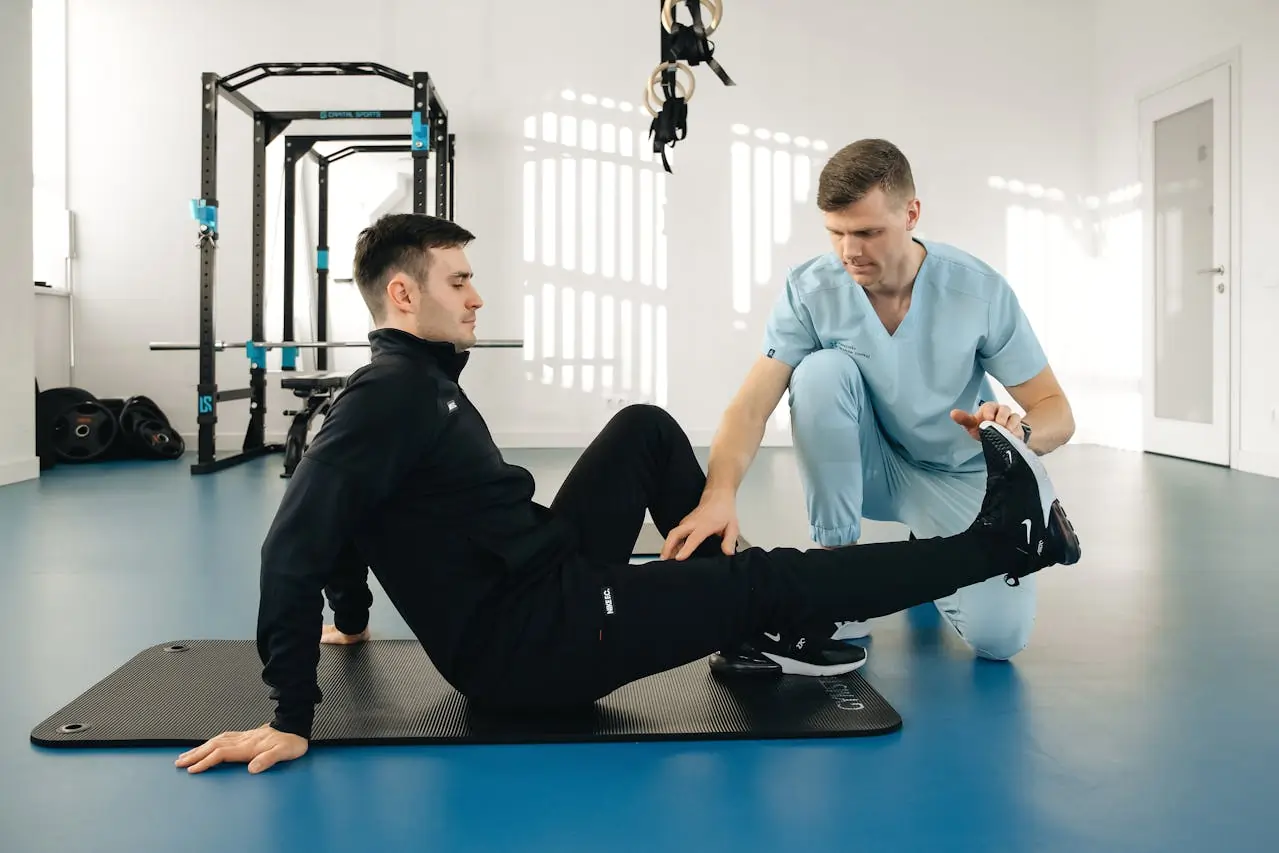
If you’ve experienced a running-related injury in the past, or if you’re planning a significant increase in your training, such as preparing for a half-marathon or full marathon, working with a physiotherapist before problems arise may help you stay on track.
Sports injury treatment is something our team at Glen Eira Physiotherapy addresses regularly, helping runners of all levels understand their body’s capacity and build their training intelligently.
A physiotherapy assessment may look at your movement patterns, muscle strength, and training history to identify any areas that may need attention before they become injuries. Early input tends to make a meaningful difference to how consistently you’re able to train over time.
Take the Next Step
Improving your running distance safely is about working with your body rather than against it.
A measured approach to progression, a commitment to improving strength for running, and a thoughtful selection of running exercises all contribute to a foundation that holds up over the long term.
Ready to run smarter? Book an appointment with Glen Eira Physiotherapy Centre today.