You landed awkwardly from a step, twisted your ankle during a Saturday morning run, or felt that familiar twinge in your calf mid-game. Whether it is a proper sprain, a muscle strain, or one of those vague ‘niggles’ that you are not quite sure about, the first thing most of us reach for is ice.
That instinct is not wrong. But there is a lot more to early injury management than a bag of frozen peas. Understanding what is actually happening in your body during those crucial first 72 hours and knowing how to respond may make a genuine difference to how quickly and fully you recover. This is where R.I.C.E comes in.
Rolled your ankle or pulled a muscle, and you’re looking for sports injury treatment in Carnegie? Contact our team at Glen Eira Physiotherapy today.
What Are Sprains and Strains, Anyway?
Before diving into treatment, it helps to understand what you are dealing with.
Sprains and strains are injuries to the soft tissues that connect, support, and surround bones and organs. A sprain is when you stretch or tear a ligament, the fibrous tissue that connects bones and supports joints. Common areas include the ankle, knee, and wrist. A strain, on the other hand, is an injury to a muscle or tendon. The calf, groin, and hamstring are frequent culprits.
Both types of injury share similar symptoms: pain, swelling, bruising, and difficulty using the affected area. Both can range from mild (a minor overstretch) to severe (a significant tear). And both may benefit from the same initial approach in the acute phase.
‘Niggles’ are those harder-to-define soft tissue aches that do not quite fit neatly into a diagnosis, but they very often respond to the same early management principles.
What Happens in Your Body After a Soft Tissue Injury?
When soft tissues are damaged, your body immediately triggers an inflammatory response. Blood vessels near the injury site dilate, immune cells rush to the area, and fluid accumulates in the tissue. This is what causes the swelling, warmth, and tenderness you feel. It is also, importantly, the beginning of your body’s natural repair process.
This immune reaction is a complex cascade of biological processes that results in the classic signs of inflammation. In higher-grade injuries, bleeding from damaged blood vessels significantly increases swelling.
The goal of early management is not to switch off inflammation entirely; your body needs it. The goal is to manage excessive swelling, reduce pain, and protect the injured tissue from further damage while the natural healing process gets underway.
Introducing R.I.C.E: Your First 72-Hour Framework
R.I.C.E stands for Rest, Ice, Compression, and Elevation. It has been a cornerstone of acute soft tissue injury management for decades, and while evolving research has prompted some updates to first-aid thinking (more on that below), it remains a widely used and practical framework for the first 48 to 72 hours after injury.
Ambulance Victoria’s clinical guidance confirms that the principles of R.I.C.E are most important in the 48 to 72 hours following the injury and may help speed up recovery.
Here is what each step involves.
Rest
Rest means protecting the injured area from further harm. In the first day or two, that means avoiding activities that load or stress the injured structure. If it hurts to put weight on your ankle, do not push through it. If your shoulder is sore after an awkward reach, give it a break from overhead work.
That said, rest does not mean complete immobilisation for days on end. Current thinking encourages relative rest, meaning you reduce aggravating activities while staying as gently mobile as your pain allows. Prolonged, total rest may lead to stiffness, muscle weakness, and slower recovery. The aim is to protect, not to freeze.
Ice
Applying ice (or a cold pack) to an injured area helps manage pain and may help control swelling in the early stages. It aims to temporarily reduce blood flow to the area and numb local nerve activity.
The key is how you apply it. Use a damp cloth or thin towel between the ice and your skin to avoid an ice burn. Apply for no longer than 20 minutes at a time, and allow the skin to return to normal temperature before reapplying. This is typically repeated every two to three hours during the first 48 hours.
The Emergency Care Institute NSW recommends applying ice intermittently for no longer than 20 minutes at a time, using a damp cloth layer between the ice and skin.
Importantly, ice is most useful as a pain management tool in the early acute phase. It is not a cure, and excessive icing may interfere with the body’s natural healing response.
Compression
Compression involves applying a firm but comfortable bandage to the injured area. It aims to limit swelling and provide a degree of physical support to the injured tissue.
Use a crepe or elastic compression bandage and wrap it from below the injury upwards, overlapping as you go. It should feel snug but should not restrict circulation.
Signs it is too tight include numbness, tingling, increased pain, or the skin turning pale or blue. Remove the bandage overnight unless your health professional has advised otherwise.
Compression during the day, particularly in the first 48 to 72 hours, may meaningfully reduce swelling and improve comfort.
Elevation
Elevation uses gravity to your advantage. By raising the injured limb above the level of your heart, you may help reduce the pooling of fluid in the tissue, which in turn often reduces swelling and throbbing.
For an ankle or knee, lie back and prop the leg up on cushions or a rolled blanket. For a wrist or hand, keep the arm elevated on a pillow when resting. Even when you are not icing, try to keep the area elevated whenever practical, especially during the first 24 to 48 hours.
Beyond R.I.C.E
It is worth acknowledging that first-aid thinking regarding acute soft-tissue injuries has continued to evolve. Newer frameworks, such as PEACE and LOVE (Protect, Elevate, Avoid anti-inflammatories, Compress, Educate / Load, Optimism, Vascularisation, Exercise), place greater emphasis on early guided movement and caution against excessive use of anti-inflammatory medication and ice, which may blunt the body’s natural repair signals.
These frameworks do not make R.I.C.E wrong; they build on it. For most people managing a moderate sprain or strain in the first day or two, the core R.I.C.E principles remain a sensible and accessible starting point.
What they reinforce is that prolonged rest and excessive icing are not the goal, and that early, guided movement is an important part of recovery.
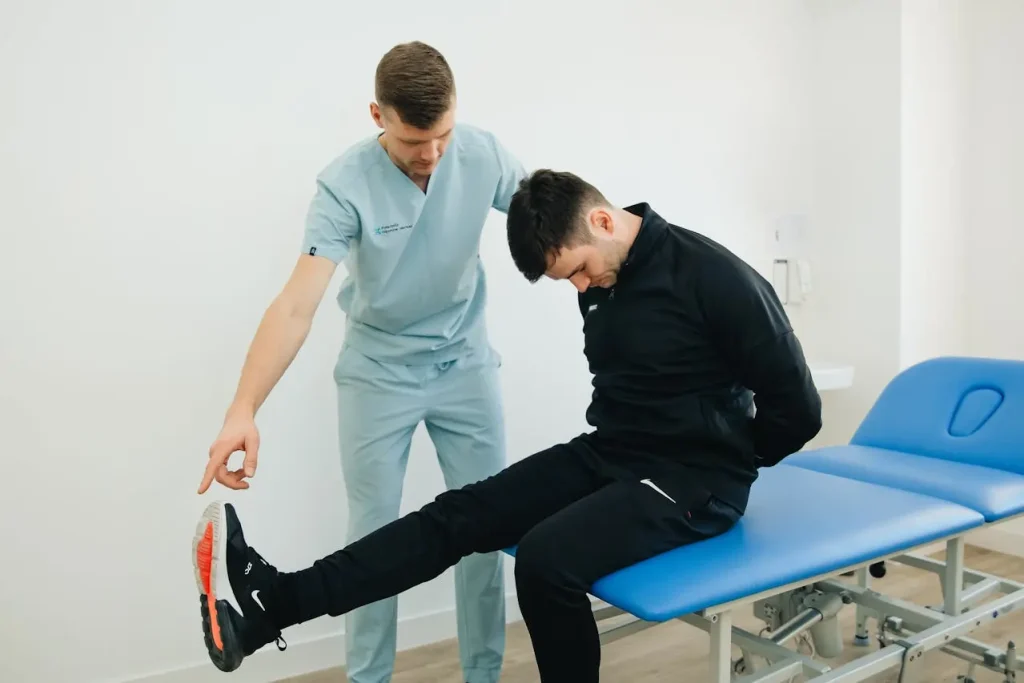
Your physiotherapist can help you understand which approach best suits your specific injury, its severity, and your recovery goals.
When to See a Physiotherapist (or Doctor)
R.I.C.E is a first-aid measure, not a substitute for professional assessment. There are certain signs that mean you should seek help sooner rather than later:
- You are unable to bear weight on the injured limb
- There is significant swelling, bruising or deformity
- You heard or felt a ‘pop’ or ‘crack’ at the time of injury
- Pain is severe or worsening after 24 to 48 hours
- Numbness or tingling is present
- There is no improvement after a week of self-management
These signs may indicate a more significant injury, such as a partial or complete ligament tear or a fracture, that requires imaging and a structured rehabilitation plan. In a medical emergency, call triple zero (000) or go to your nearest emergency department.
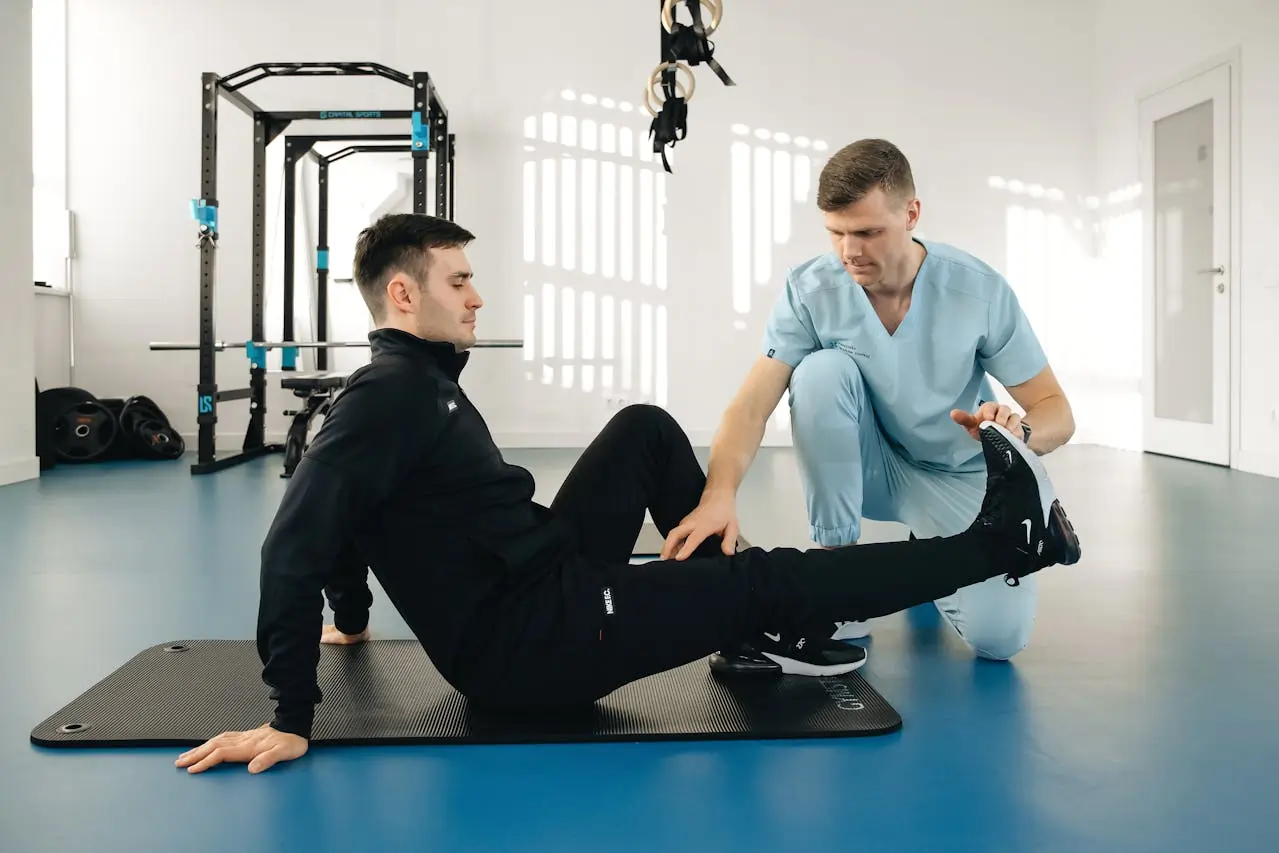
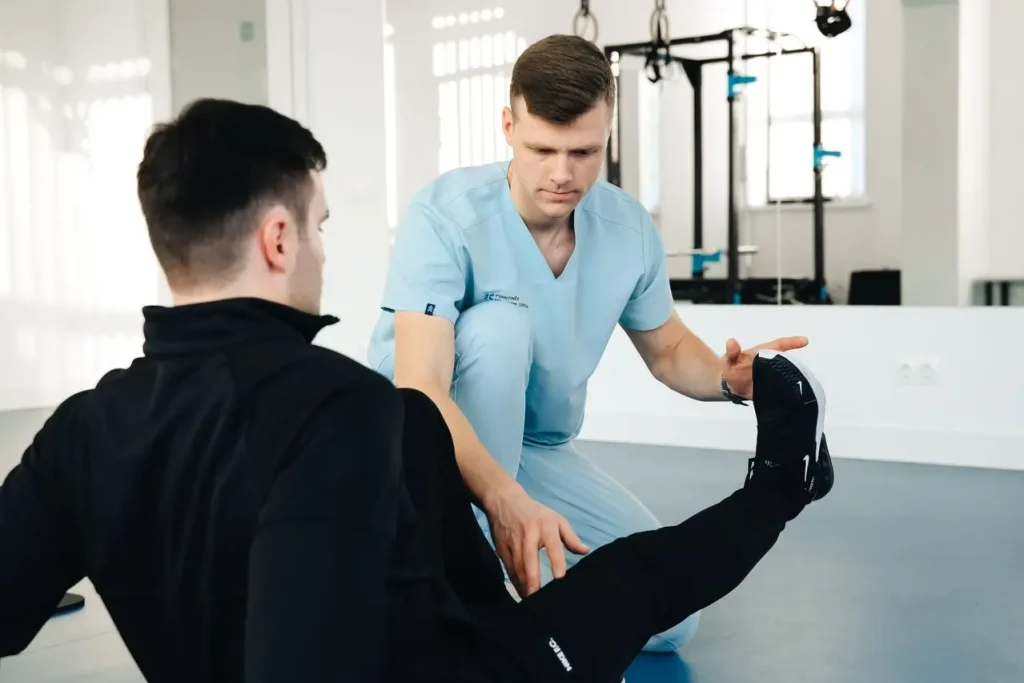
Even for more minor injuries, seeing a physiotherapist within the first week is usually worthwhile. Early assessment may allow for accurate diagnosis, graded return-to-activity guidance, and exercises to restore strength, flexibility, and coordination, all of which reduce your risk of re-injury down the track.
Ready to Get Back to Doing What You Love?
If you are nursing a sprain, strain, or a niggle that just will not settle, the team at Glen Eira Physio is here to help. We offer hands-on physiotherapy assessment and treatment tailored to your injury, body, and goals.
Do not wait for a small injury to become a bigger problem. Book an appointment with us today and take the first step towards feeling like yourself again.