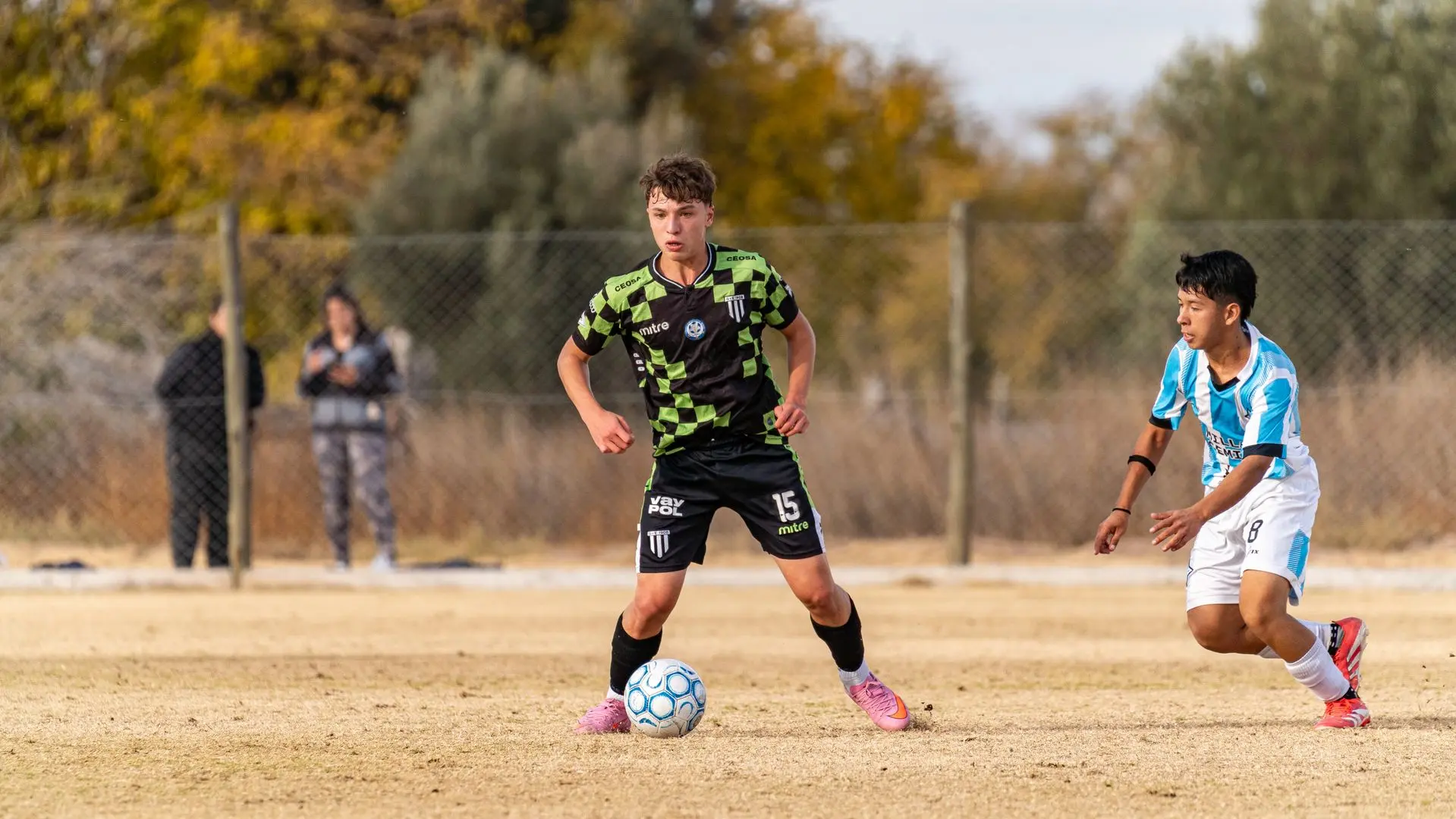
Growth-related aches are a common reason young athletes are brought in for a Sports Injury Treatment assessment, with knee and heel pain being the most frequent complaints among active teenagers in Carnegie and Murrumbeena.
These aches happen when growth plates, the soft, developing areas near the ends of a young person’s bones, come under more load than they are used to during sport.
Understanding what is happening, and how to help prevent growing pains from disrupting a season, starts with knowing the signs early and adjusting training accordingly.
What Causes Growth-Related Pain in Young Athletes
Common Growth-Related Sport Injuries in Teenagers
Signs Your Teenager May Need a Physiotherapy Assessment
How to Help Prevent Growing Pains in Active Teenagers
When to See a Physiotherapist for Growth-Related Sport Pain
Frequently Asked Questions
Ready to Keep Your Teenager Active This Season?
Avoiding Growth-Related Aches and Injury in Sport at a Glance
- Growth-related pain happens when growth plates, made of softer cartilage, are placed under more load than they can currently tolerate.
- Osgood-Schlatter disease and Sever’s disease are the two most talked-about growth-related conditions in young athletes, affecting the knee and heel.
- Rapid growth spurts, sudden increases in training, and playing multiple sports at once are common contributing factors.
- Growing pains are generally considered a normal part of development, but ongoing sport-related pain deserves a proper assessment.
- Load management, footwear, and stretching routines may all play a role in helping to reduce discomfort.
- A tailored physiotherapy plan aims to help keep young athletes active while their body adjusts to a growth spurt.
What Causes Growth-Related Pain in Young Athletes
Growth plates are areas of developing cartilage found near the ends of a young person’s bones, and they are softer and more sensitive than mature bone. During a growth spurt, bones can lengthen faster than the surrounding muscles and tendons can adapt, which places extra tension through these growth plates during running, jumping, and kicking.
Several factors can increase the likelihood of growth-related pain showing up during a sporting season. These include:
- A recent or ongoing growth spurt
- A sudden jump in training volume or intensity
- Playing more than one sport across the same season
- Limited rest between training sessions and games
- Tight muscles around the hips, knees, or calves
Common Growth-Related Sport Injuries in Teenagers
Two conditions account for most growth-related sport complaints seen in physiotherapy clinics: Osgood-Schlatter disease at the knee, and Sever’s disease at the heel. Both are considered overuse-type conditions linked to growth plate irritation rather than a single traumatic injury.
Osgood-Schlatter Disease
Osgood-Schlatter disease causes pain and, in some cases, swelling at the growth plate just below the kneecap, where the patellar tendon attaches to the shin bone.
According to the Sydney Children’s Hospitals Network, this growth plate is made of soft cartilage that is more easily irritated than bone, and pain tends to build gradually rather than appear after a single incident. It is most often seen in young athletes involved in running, jumping, and kicking sports.
Sever’s Disease
Sever’s disease affects the growth plate at the back of the heel, where the Achilles tendon attaches. It shares many of the same triggers as Osgood-Schlatter disease, including rapid growth and a sudden increase in training load, and typically presents as heel pain that flares up during or after sport rather than at rest.
Signs Your Teenager May Need a Physiotherapy Assessment
Not every ache during a growth spurt needs a formal review, but some patterns are worth having checked. A sports injury physiotherapy assessment may help clarify what is contributing to the pain and how best to manage it.
Signs that may warrant an assessment include:
- Pain that is limiting participation or affecting how your teenager runs or jumps
- Pain that is present in one specific spot rather than general leg soreness
- Discomfort that continues to worsen across a season instead of settling
- A visible lump or swelling below the kneecap or at the back of the heel
- Pain that disrupts sleep or continues well after sport has finished
How to Help Prevent Growing Pains in Active Teenagers
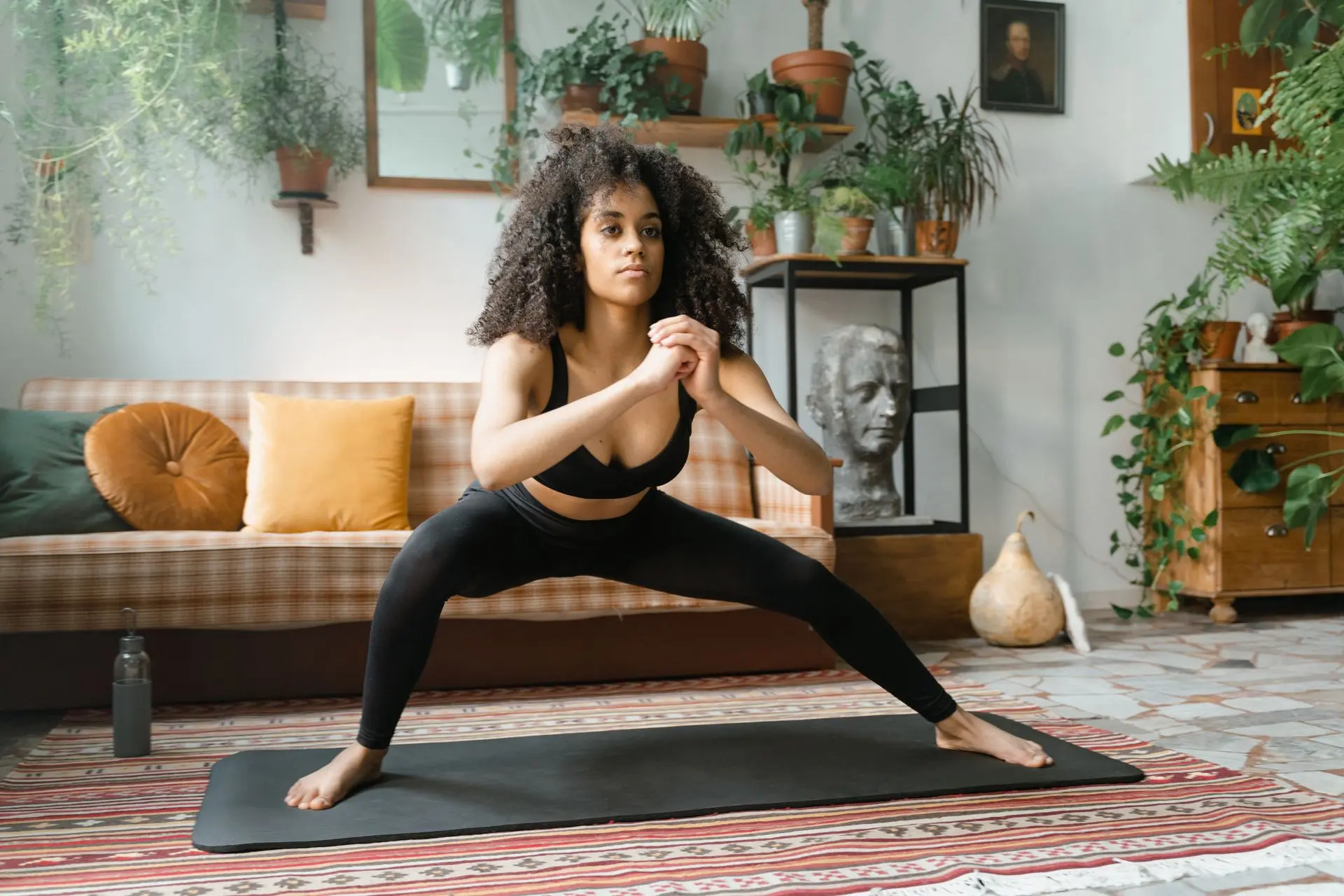
While growth itself cannot be controlled, how training load is managed around a growth spurt may make a meaningful difference to comfort and consistency through a sporting season.
Strategies that may help include:
- Building in rest days. Spacing out training sessions gives growth plates time to recover between loads.
- Reviewing overall training volume. Where a teenager plays more than one sport, total weekly load across all activities is worth considering, not just each sport in isolation.
- Prioritising a stretching routine. Regular stretching of the quadriceps, hamstrings, and calves may help reduce tension through the knee and heel growth plates.
- Checking footwear. Supportive, well-fitted footwear appropriate to the sport may help reduce repetitive strain through the heel and lower leg.
- Introducing load gradually. Ramping training volume up slowly at the start of a season, rather than jumping straight back into full training, gives developing tissue more time to adapt.
- Listening to pain, not pushing through it. Encouraging teenagers to report discomfort early, rather than playing through pain, supports earlier and simpler management.
‘One of the most common things we see with young athletes is pain that builds gradually through a season, often around a growth spurt. It’s rarely one single moment that causes it. Helping teenagers and their families understand what their training load looks like across all their sports, not just one, is often where we start.’
– Jodi Hendler, Physiotherapist
When to See a Physiotherapist for Growth-Related Sport Pain
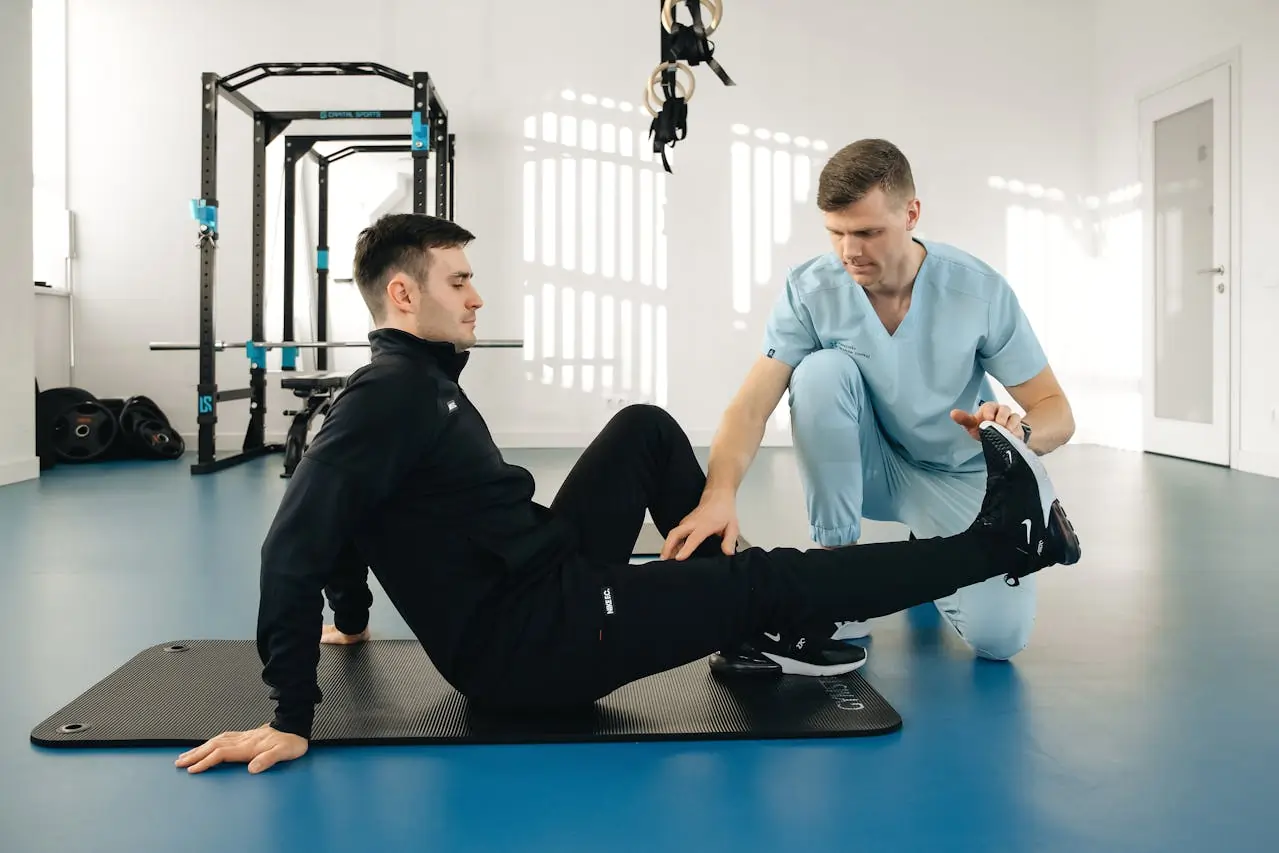
Most growth-related aches settle as training load is adjusted and the growth spurt passes, but ongoing or worsening pain is worth having assessed rather than managed with rest alone. A physiotherapist may help identify contributing factors such as muscle tightness, training load, or movement patterns, and put together a plan that aims to keep a young athlete involved in sport while symptoms are managed.
Frequently Asked Questions
General growing pains typically affect both legs and often occur at rest or overnight, while growth-related sport injuries such as Osgood-Schlatter or Sever’s disease tend to centre on one specific area, such as the knee or heel, and flare up with activity.
This depends on the severity and location of the pain, which is why an assessment is useful. In milder cases, modified training may allow continued participation, while more significant pain may call for a period of reduced load.
Duration varies between individuals, but symptoms are generally understood to ease as growth plates mature and training load is appropriately managed.
Physiotherapy may assist by identifying contributing factors, guiding load management, and building a stretching and strengthening routine suited to the sport and the individual.
Not necessarily. Many young athletes are able to continue with some modification to training, though this should be guided by an assessment rather than decided alone.
Ready to Keep Your Teenager Active This Season?
If growth-related aches are becoming a regular part of training or game day, a proper assessment may help clarify what is going on and how to manage it around the rest of the season.
The team at Glen Eira Physiotherapy works with young athletes across Carnegie, Murrumbeena, and surrounding suburbs to help keep them moving. Book an appointment online or call (03) 9571 2111 to arrange a sports injury physiotherapy assessment.
BOOK ONLINE
This content is provided for general information purposes only and is not a substitute for personalised professional advice. Individual needs and conditions vary. Please consult a qualified practitioner to discuss a treatment plan suited to your situation.